Why a Cool House Can Still Feel Clammy
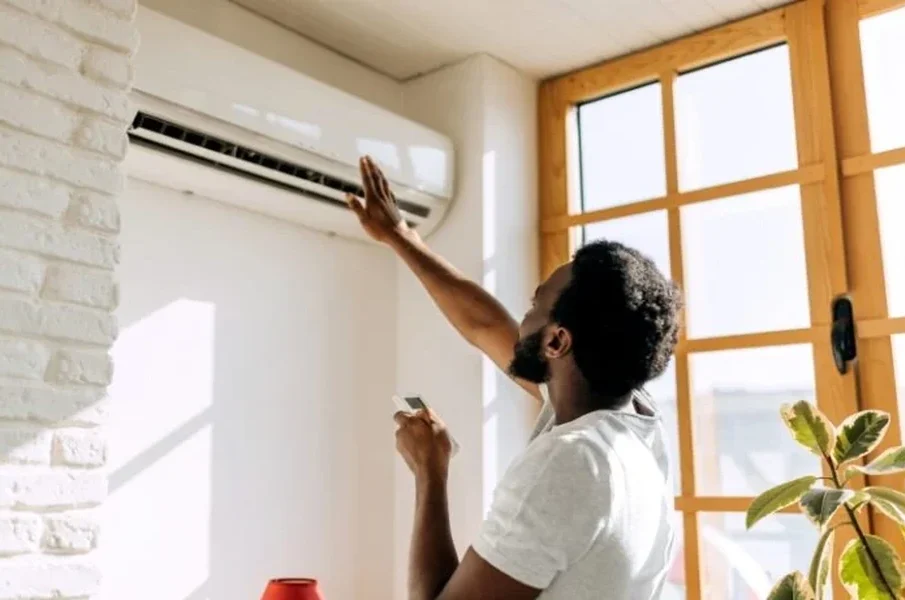
You set the thermostat to a comfortable number, the air conditioner runs, and yet the house feels damp and sticky. The temperature is fine, but the air is not. Many homeowners respond by turning the thermostat lower, and that is usually the beginning of a bigger electric bill and no real improvement in comfort.
The cause often has less to do with how cold the air is and more to do with how much moisture is left in it. If you are talking to an hvac company in Buford about a new system or a comfort problem, understanding that difference will help you ask better questions.
What Your Air Conditioner Is Really Doing
Virginia Tech’s Cooperative Extension covers this in its publication What about the Air Conditioning System?, part of its Energy Series. It explains that an air conditioner has to do two jobs: lower the temperature and remove moisture from the air. The article’s term for how well a unit handles the moisture side is the Sensible Heat Ratio, or SHR.
In plain terms, a system can cool the air without drying it. When that happens, the thermometer reads fine and the house still feels humid. The article describes the result as a home that is cool and clammy.
Why Bigger Is Not Better
A common instinct is to buy a larger unit to be safe. The article warns against it: an oversized air conditioner will short cycle, which means it cools the air quickly and shuts off before it has run long enough to dry it. The article says systems without an adequate SHR, or with inaccurate tonnage, cool without removing moisture.
The Catch in High Efficiency Ratings
Efficiency labels do not tell the whole story. The article cautions that many high SEER units have poor humidity removal capacity, so buyers should verify performance before purchasing. Efficiency, SHR and tonnage all have to be balanced, and the highest number on one of them can come at the expense of another.
The Thermostat Reflex
When a house feels clammy, lowering the thermostat feels like the obvious fix. The article notes that owners often do exactly that, which raises their bills. It adds that a system with high efficiency but weak dehumidification can end up costing more to run than expected.
What a Good Sizing Conversation Sounds Like
The article is specific here. It says the contractor must accurately estimate the humidity, or latent load, and it recommends load calculations such as ACCA Manual J. It also says not to use a contractor who wants to size your unit solely on the square footage of your house.
This list is general advice that follows from the article and is not quoted from it. Ask whether a load calculation will be done for your home and not just a rule of thumb. Ask how the proposed system handles humidity, and ask for the SHR, not only the efficiency rating. Ask what happens if the house still feels damp after installation.
Why This Matters in a Humid Part of the Country
The article is not written about Georgia specifically. As general knowledge, summers in the Atlanta area are humid, which is why moisture removal deserves attention when you size or replace a system there.
About the Company Behind the Link
The company behind this website says it is based in Buford, Georgia, and serves north metro Atlanta. Its listed services include heating repair, furnace installation, heat pump services, AC repair, replacement, installation and maintenance, mini split installation and repair, commercial HVAC, indoor air quality, emergency service, maintenance plans and financing, along with a 5 percent military discount. The site says it has served north metro Atlanta since 2004. It also mentions 37 years in north Georgia, which does not match that date, so the article uses only the 2004 figure. It lists Nest Pro certification, no state license number and no warranty terms, so ask the company for those details directly