Heating and Cooling an Older Home Without Ducts: The Options Compared
Many homes built before the 1950s in the San Fernando Valley, including a large share of the bungalows and courtyard buildings around North Hollywood, were designed without ductwork. They typically rely on wall furnaces, floor furnaces or window air conditioners. Those systems work, but they heat and cool unevenly and tend to be inefficient and noisy. If you own one of these homes and want to upgrade, a North Hollywood HVAC contractor can assess which approach fits your building. This guide explains each option, what it requires and where it works best.
Why Older Homes Are a Special Case
Central air depends on space: an attic or crawlspace for ducts, a closet or utility area for the air handler and a place to put a return grille. Older homes often have shallow or cramped attics, plaster walls and arched doorways, and little spare room. Adding ducts can mean new soffits, lost closet space or long, tight runs that reduce airflow and increase noise.
Heat is the other factor. The Valley regularly sees summer highs above 100 degrees, and a poorly insulated older house absorbs that heat through the attic, the roof and sun-facing windows. Whatever system you choose will perform better if the house is sealed and insulated properly first, so it is worth treating the building and the equipment as one project.
Option One: Ductless Mini-Split Heat Pumps
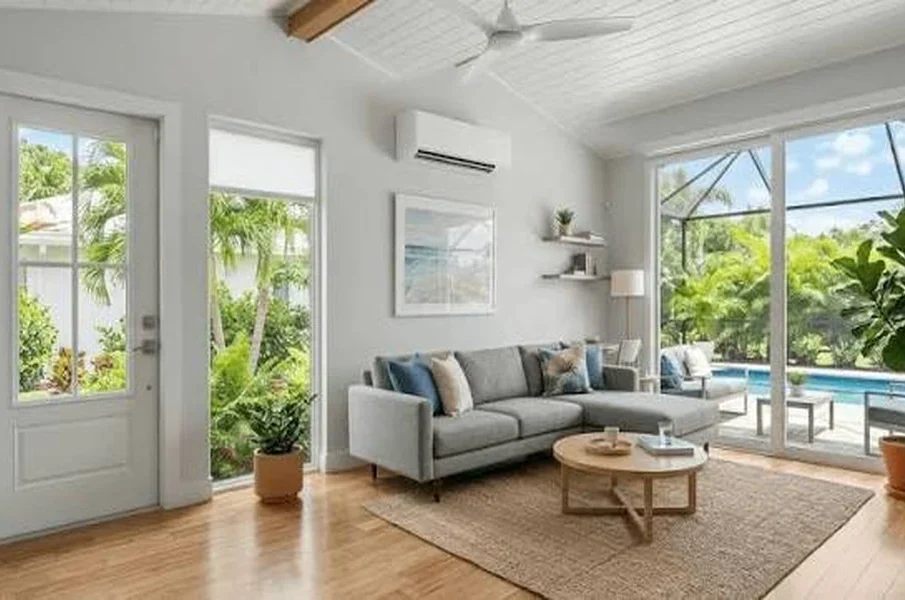
A ductless mini-split consists of an outdoor compressor connected by a thin refrigerant line to one or more wall-mounted indoor units. Only a small hole, usually about three inches across, is needed through the wall for each line set, so no ductwork is required and plaster is barely disturbed.
Strengths: Mini-splits both heat and cool, since they are heat pumps. They are highly efficient, quiet and allow zoning, meaning each room or group of rooms can be set separately. Variable-speed compressors run at the speed needed rather than switching fully on and off, which improves comfort and humidity control.
Limitations: The indoor units are visible on the wall, which some homeowners dislike in historic interiors. Each indoor head serves one zone, so a house with many small rooms may need several heads, which raises the cost. Coverage between rooms depends on doors being open or on additional units.
The U.S. Department of Energy provides a helpful overview of how ductless mini-split heat pumps work, including sizing and installation considerations.
Option Two: Small-Duct High-Velocity Systems
These systems use flexible, small-diameter ducts, about two inches wide, that can be threaded through walls and tight attics where conventional ducts will not fit. Air is delivered through small round outlets, often placed in ceilings or walls.
Strengths: The system is a true central system with a single outdoor unit and air handler, and outlets are discreet. It can suit homes where visible indoor units are unwelcome.
Limitations: The air moves at higher speed, which can produce a faint hiss, and the system uses more fan power than a conventional one. Installation still requires some attic or wall space for the air handler and runs, and the quality of the installation matters a great deal.
Option Three: Conventional Central Air With New Ductwork
If the attic is accessible and large enough, a standard ducted heat pump or air conditioner with a furnace can work well. It offers whole-house comfort with a single system and standard, easily serviced components.
Strengths: A familiar technology that most technicians can service. It cools and filters air throughout the house, and registers are inconspicuous.
Limitations: Duct installation can be disruptive and costly in an older home. Ducts that run through hot attic spaces lose cooling unless they are well sealed and insulated, so duct quality matters as much as equipment choice. The system must be sized with a proper load calculation, not by square footage alone.
Option Four: Window and Portable Units
Window air conditioners and portable units are the least expensive way to cool one or two rooms and need no installation beyond mounting.
Strengths: Low upfront cost and no permanent alterations, which suits renters and short-term needs.
Limitations: They are generally less efficient than other options, noisy, and they block windows and reduce security. They also cool only the room they sit in, and many do not heat. Over many hot summers, running costs can exceed those of a more efficient system.
What the Choice Depends On
Several factors decide which option makes sense. Attic and crawlspace access determines whether ducts can be installed without major disruption. The number and layout of rooms affects how many zones are needed. Your budget matters, both for installation and for running costs over time. Aesthetic preferences, historic character and any homeowners or landlord rules also play a role. If you have allergies or concerns about air quality, filtration requirements may favor a ducted system, though mini-splits with good filters can also help.
Prepare the House First
Improving the building envelope reduces the size and cost of whatever system you install. Priorities include attic insulation, air sealing around windows, doors and penetrations, exterior shading on west and south windows, and reflective or cool roofing when the roof is replaced. A smaller, well-matched system running in a tighter house is typically quieter, more efficient and longer lasting than a large one fighting heat gain all day.
Sizing and Installation Matter
Whichever option you choose, ask for a written load calculation that accounts for insulation, windows, orientation and local climate. Oversized equipment cycles on and off too quickly, wasting energy and leaving humidity behind, while undersized equipment runs constantly and still struggles. Confirm that the installer is licensed, will pull the required permits and will explain warranty coverage for both parts and labor. For ducted systems, ask how leaks will be sealed and how ducts will be insulated, and request a duct leakage test where available.
Cost, Incentives and Running Costs
Upfront cost varies widely with the number of zones, equipment efficiency and installation difficulty, so request itemized quotes from more than one company. Look beyond the purchase price to the efficiency rating and expected electricity use. Rebates and incentives for efficient heat pumps are sometimes available through utilities and government programs, and the details change over time, so ask your contractor and your utility which programs apply to your address before you buy.
Maintenance Basics
Every system lasts longer with regular care. Clean or replace filters on a schedule, keep outdoor units clear of leaves and debris, and have the equipment inspected annually. For mini-splits, that includes cleaning the indoor unit filters and having the coils and condensate drains checked. For ducted systems, add periodic inspection of duct seals and insulation.
Choosing a Direction
For most ductless older homes, mini-splits offer the best balance of efficiency, comfort and minimal disruption, while ducted options make sense when attic space and budget allow it. Window units remain a stopgap rather than a long-term solution. The right answer depends on the house, so start with an assessment of the attic, the layout and the heat load, and let those facts guide the equipment.