Metal or Shingles Comes Down to How Long You Plan to Stay
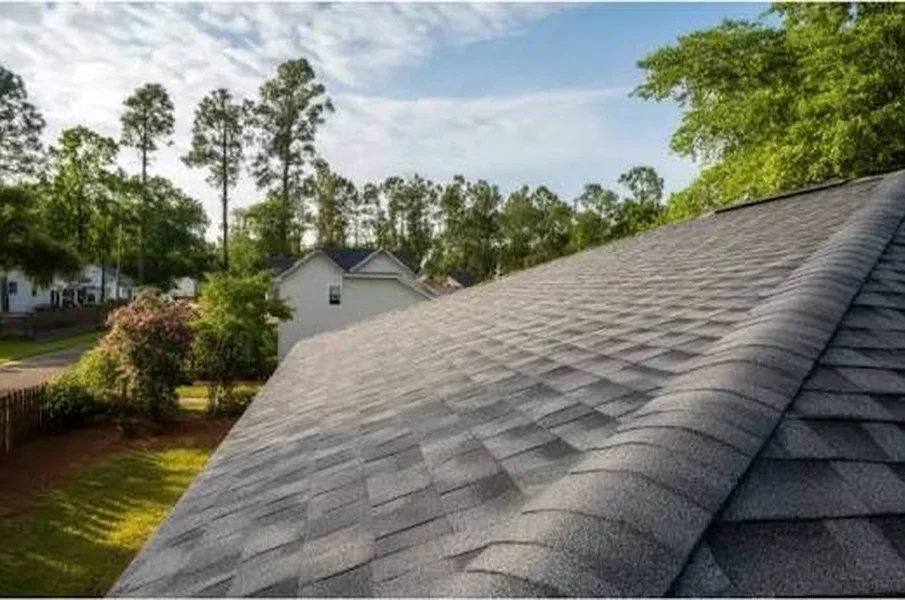
Drive down almost any older street in Anderson County and you can spot the split. One house wears dimensional shingles with a few dark algae streaks creeping down from the ridge. The house next door sits under a charcoal standing seam roof that looks much the same as it did the week it went on. Both owners probably chose well. The difference usually comes down to one question, which is how many more summers they expect to spend under that roof.
That timeline question is where conversations with Anderson Metal Roofing & Shingles tend to land, since the locally owned crew installs both materials on homes across the Upstate and into northeast Georgia, from Clemson and Seneca over to Hartwell and Lavonia. When one company quotes shingle and metal side by side, the debate stops being about which product is better and turns into which one suits the years you plan to stay.
Day One Pricing Misleads More Than It Helps
Metal almost always costs more upfront. Depending on the panel style and gauge, a metal roof commonly runs two to three times the price of an architectural shingle job on the same house. If you judge the decision on the first invoice alone, shingles win every time.
Stretch the view out and the picture changes. In a hot, humid climate like ours, architectural shingles often give you somewhere around 20 to 25 good years before granule loss, curling and cracked tabs start showing. Quality metal panels typically carry finish warranties of 35 years or longer and can stay on a house for four decades or more. One metal roof can outlast two shingle roofs, and every shingle replacement brings its own tear off, disposal fees and disruption.
The fairer comparison is cost per year of ownership, not cost per square.
Selling Within Five Years
Short horizons usually point toward shingles. A buyer’s inspector mostly wants to see a sound, recently replaced roof, and a fresh architectural shingle install checks that box for lenders and insurers without tying up cash you may need for the move. Appraisals in many neighborhoods also don’t credit the full premium of a metal roof, so you could pay for longevity the next owner enjoys and you never recover.
If you go this route, spending a little more on algae resistant shingles is worth it. Those dark streaks come from a common airborne algae that thrives in Southern humidity, and shingles made with copper treated granules hold it off for years, which keeps the house looking good in listing photos.
The Murky Middle of Ten to Twenty Years
This is the hardest bracket, because a shingle roof installed today may start failing right around the time you’d want to list. Here the house itself tends to break the tie.
Tree cover matters more than people expect. Upstate lots full of loblolly pines drop needles that pile up in shingle valleys, hold moisture and feed moss. Metal sheds that debris far more easily. Roof pitch matters too. Shingles struggle on low slopes, generally anything under about three inches of rise per foot, while standing seam panels handle gentle pitches well.
Then there’s heat. Lighter metal colors and reflective coatings bounce back a large share of summer sun, which can trim attic temperatures and cooling bills in July and August. Some insurers also offer premium credits for impact rated roofs, whether that’s metal or a Class 4 shingle, so a call to your agent before choosing is time well spent.
Staying Put for Good
For a forever home, a farmhouse, a retirement place or a lake house near Hartwell, metal usually makes the most sense. You pay once and largely stop thinking about the roof.
Metal also suits manufactured homes particularly well. Roof overs on singlewides and doublewides are common because the panels are light and can stop the slow leaks those roofs are known for. On site built homes, metal can often go over one existing layer of shingles when the deck is solid and local code allows it, which saves the tear off cost. Even so, a full tear off lets the crew inspect and replace soft decking, and on an older house that inspection alone can be worth the extra expense.
Not Every Metal Roof Is the Same Roof
The metal category covers very different products, and the gap between them affects lifespan as much as the shingle versus metal choice does.
- Exposed fastener panels such as 5V crimp or R panel are the most affordable option. The screws pass straight through the panel and seal with rubber washers, and those washers dry out and crack over time. Plan on checking fasteners periodically and replacing worn ones somewhere in the second decade.
- Standing seam hides its fasteners under raised seams and uses clips that let panels expand and contract with temperature swings. It costs the most and lasts the longest, with far fewer holes in the roof.
- Stone coated steel is stamped to look like shakes, tile or shingles. It suits neighborhoods or historic homes where a ribbed panel would look out of place.
Shingles split along similar lines. Basic three tab shingles are fading from the market, architectural shingles are now the everyday standard, and impact rated shingles tested to the UL 2218 Class 4 level sit at the top for homeowners worried about hail.
The Myths That Shouldn’t Decide It
A few old worries still steer people away from metal without good reason. Rain noise is the big one. Over solid decking with underlayment and an insulated attic, most owners hear little more than they did with shingles.
Lightning is another. Metal does not attract strikes, and because it is noncombustible, it actually holds up better against embers and stray sparks. Rust is the third. Modern steel panels use galvanized or Galvalume coatings under baked paint finishes, and trouble usually starts only at scratches, cut edges or spots where dissimilar metals touch.
Hail deserves an honest note. Large stones can dent metal panels, usually without causing leaks, and some insurance policies exclude purely cosmetic damage to metal roofs. Read that clause before you sign anything.
Installation Outlives the Material Choice
Neither material forgives a careless install. Flashing around chimneys and walls, how valleys are handled, the underlayment beneath the surface, attic ventilation and the fastening pattern decide whether a roof reaches its rated life or starts leaking early.
Before signing, confirm that whoever is doing the work is properly registered with the state and can show proof of insurance. The Federal Trade Commission’s advice on avoiding home improvement scams also recommends getting several written estimates, reading the contract closely and never paying the full amount upfront, which are habits that apply just as well to a roofing job.
Once you settle how long you’ll stay, most of the other choices get easier. A short stay rewards a clean, well installed shingle roof. A long one rewards paying once for metal and forgetting about it. The years in between call for a closer look at your trees, your pitch and your insurance, and that close look is usually where the right answer shows itself.