Sump Pump Installers: What You Must Know for a Dry Home
Key Takeaways
Sump pumps play a fundamental role in safeguarding homes against water damage, acting as the frontline defense against groundwater infiltration. By efficiently managing water levels, they protect properties from flooding and the myriad issues that come with moisture.
In Delaware, where the yearly rainfall often surpasses 40 inches, the threat of water intrusion is particularly pronounced for older homes with outdated basements. A sump pump installation can drastically lower the risk of flooding and the damages that follow.
When selecting a sump pump, consider several key features including power source, durability, horsepower, automatic operation, and noise level. These factors work together to enhance the pump’s reliability and performance.
Submersible sump pumps are perfect for handling larger volumes of water and operate quietly, while pedestal pumps, often more affordable, come with ease of servicing. Homeowners should evaluate each type based on their specific needs.
The importance of professional sump pump installation cannot be overstated; it ensures both proper functionality and longevity. Experts navigate local building codes, customize solutions, and offer post-installation support to enhance the overall efficiency of the system.
Regular maintenance is crucial for the reliability of sump pumps. Homeowners are encouraged to check for wear and tear, conduct periodic tests, inspect connections, and remove debris to avert failures.
Indicators that a sump pump may need an upgrade include frequent cycling, unusual noises, or visible rust. Identifying these signs early enables timely replacements, maintaining ongoing protection against flooding.
The Critical Role of Sump Pumps in Home Protection
Sump pumps are essential for preventing water damage within residential properties. They are the primary barrier against unwanted groundwater infiltration. In areas like Delaware, where rainfall can be erratic, homes without adequate drainage systems face significant risks of severe water accumulation. Here is where sump pumps excel, managing water levels effectively and protecting properties from flooding.
How Sump Pumps Shield Against Water Damage
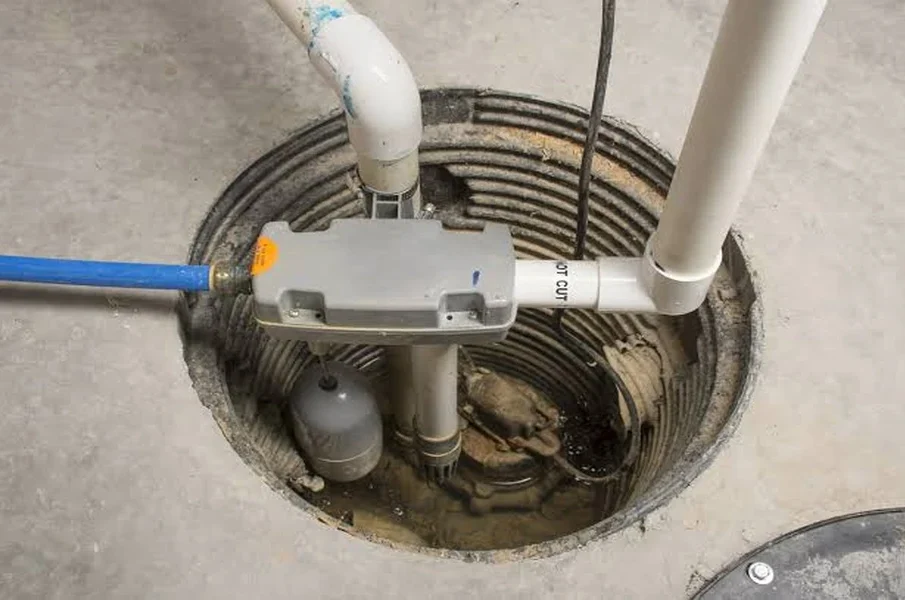
The mechanics behind a sump pump are both straightforward and efficient. It collects water through a network of drains that lead to a pit, commonly known as a sump basin. When the water level hits a preset point, the pump activates, pushing the water away from the house via discharge pipes. This process dramatically cuts down on the risk of basement flooding and also mitigates moisture issues that can cause mold and structural harm.
As climate change leads to increasingly severe weather patterns, the importance of investing in a sump pump grows. Sudden storms can escalate minor water issues into major catastrophes in no time. Homeowners find peace of mind, knowing their property is fortified against nature’s unpredictability. After all, isn’t it reassuring how a simple device can help avoid monumental headaches?
Why Every Delaware Home Needs a Sump Pump
Take a moment to consider Delaware’s average annual rainfall, which often exceeds 40 inches. Seasonal variations can result in saturated soil, increasing the risk of water entering structures. Many homeowners incorrectly assume their properties are immune to such issues, particularly in older homes with outdated basements. The state’s geographical features further heighten these risks.
- A sump pump effectively removes accumulated water, mitigating damage.
- Installation can also reduce the likelihood of mold growth, preserving air quality in homes.
- In fact, having a robust sump pump system may even lower insurance premiums, as homes become less vulnerable to flooding claims.
Sump pump installers often serve as unseen guardians of home safety, enabling families to concentrate on their lives rather than the constant worry of basement issues. The goal is clear: create a dry and safe environment.
Choosing the Right Sump Pump for Your Home
Selecting the right sump pump isn’t a one-size-fits-all endeavor. Homeowners must consider specific features based on their unique circumstances. This approach guarantees optimal performance and reliability.
Key Features to Look for in a Sump Pump
When reviewing sump pump options, certain features emerge as priorities. Professionals suggest focusing on the following aspects:
- Power Source: While electric pumps are commonly used, having backup options like battery-powered pumps for emergencies can be wise.
- Durability: A high-quality sump pump made from materials resistant to corrosion typically offers greater longevity.
- Horsepower: Generally, higher horsepower means greater efficiency in handling substantial amounts of water.
- Automatic Functioning: Pumps equipped with float switches or pressure sensors operate automatically, ensuring hassle-free functionality.
- Noise Level: Quieter models contribute to a more pleasant home environment and limit disturbances.
These features work collectively to provide maximum protection. When investing in a sump pump, it’s essential for homeowners to think beyond just the initial spending; they ought to consider potential future savings arising from damage prevention.
Submersible vs. Pedestal: Which Is Best?
The choice between a submersible and a pedestal sump pump can significantly impact performance outcomes. Submersible pumps are installed within the sump pit and designed to manage larger water volumes. Their advantages include:
- Quiet operation, minimizing disruptions.
- Compact designs that fit neatly into small spaces.
- Increased durability since they remain submerged in water.
Conversely, pedestal pumps are positioned above the sump pit and draw water through a long pipe. They come with their own distinct benefits:
- Often more budget-friendly.
- Easier to service and maintain, given their above-ground placement.
- Typically enjoy a longer lifespan since the motor is not exposed to moisture.
Ultimately, the best choice boils down to the specific needs and circumstances of each homeowner; both types serve their purposes effectively. Consulting with sump pump installers can provide clarity on these options to enhance home protection.
Understanding the Installation Process: What to Expect
Installing a sump pump is not a task every homeowner should tackle alone. It requires specialized knowledge to ensure proper operation from day one. Understanding what to anticipate during the process can help alleviate concerns.
Step-by-Step Guide to Sump Pump Installation
Though exact procedures may differ, here’s a general overview of what homeowners can expect during the installation:
- Site Assessment: Professionals examine the home’s structure and determine the best placement for the sump pump.
- Excavation: A pit is dug into the basement floor to accommodate the sump pump.
- Installation: The sump pump is secured in the pit, ensuring it’s level and correctly placed.
- Connection: The discharge pipe is attached, guiding water away from the foundation.
- Testing: The pump undergoes testing to verify it activates properly and operates effectively.
- Final Review: Any necessary adjustments are made, and maintenance tips are shared with the homeowner.
Relying on professionals for installation can greatly influence the system’s longevity and efficiency. A well-installed sump pump functions seamlessly, ready to confront any water challenges.
How Professionals Make Installation Smooth and Efficient
Experienced sump pump installers bring a wealth of expertise that facilitates a smooth installation process. They can spot potential problems before they escalate, addressing issues such as:
- Awareness of local building codes relevant to drainage and basements.
- Providing tailored solutions that meet specific property needs.
- Offering warranties and ongoing support post-installation for added peace of mind.
Choosing a qualified contractor is essential for these reasons. With the right experience, an installer can guide homeowners through everything-from selecting the ideal system to executing the installation effectively. Homeowners can take comfort knowing experts are managing this critical part of home safety.
Maintenance Tips for Longevity and Reliability
Routine maintenance is the lifeblood of a dependable sump pump system. Ignoring it can lead to unexpected failures during critical moments. Implementing simple, regular checks can significantly extend the life of the pump and strengthen the home’s defenses against water intrusion.
Routine Checks: Keeping Your Sump Pump Functional
Homeowners don’t need to be specialists to ensure their sump pumps are operating optimally. Here are a few straightforward suggestions:
- Inspect the pump regularly for visible signs of wear and tear.
- Every few months, test the system by pouring water into the pit to see if it activates properly.
- Examine the power source and its connection to prevent electrical issues.
- Clear debris from the sump basin to maintain unobstructed water flow.
These small, simple actions can spare homeowners from larger inconveniences later. Consistent attention yields significant benefits over time.
Signs It’s Time for a Sump Pump Upgrade
Even the highest-quality pumps come with a finite lifespan, typically between 5-10 years. However, specific signs may indicate that it’s time for an upgrade:
- Frequent Cycling: If the pump cycles on and off too often, it might suggest it’s being overworked.
- Strange Noises: Unusual sounds such as grinding or rattling could signal an internal issue.
- Visible Rust or Damage: Corrosion can diminish efficiency and lead to possible mechanical failures.
Identifying these issues early allows homeowners to take proactive measures, ensuring continued protection against flooding. Investing in an upgrade before a failure occurs can save both time and finances.
Sump pump installers can offer valuable insights regarding the best replacement options for specific needs and situations. Proactivity is always a more economical approach than responding to failures.
A comprehensive understanding of sump pumps empowers homeowners to embrace the protective benefits they provide fully. By choosing the right system and maintaining it diligently, they can effectively guard against water damage.
FAQ
What type of maintenance schedule is recommended for sump pumps?
Experts generally recommend inspecting sump pumps every three to six months. These regular checks should include testing the pump’s functionality, examining connections, and cleaning the sump basin to avert debris accumulation.
How can a homeowner tell if their sump pump is functioning properly?
A straightforward test entails pouring water into the sump pit. If the pump activates and effectively drains the water, it’s working as it should. Listening for unusual noises or noticing frequent cycling might signal potential issues needing attention.
Can sump pumps be installed in areas other than basements?
Absolutely, sump pumps can be placed in crawl spaces, garages, or any areas prone to water accumulation. The key is ensuring proper drainage to shield the structure from water damage.
What’s the average lifespan of a sump pump?
Typically, sump pumps last between 5 to 10 years, depending on usage and maintenance level. Regular servicing can significantly extend the lifespan, whereas neglect may lead to premature failures.
Are there any energy-efficient options for sump pumps?
Yes, many modern models are designed to be energy-efficient, consuming less power while delivering strong performance. Homeowners would benefit from looking for ENERGY STAR rated models that balance efficiency with effectiveness.
What is the cost range for sump pump installations?
Costs can vary widely based on pump type and installation complexity, usually ranging from $500 to over $2,000. Factors such as local labor rates and additional features, like battery backups, can also influence the final price.
How often should a sump pump be replaced?
Although regular maintenance can prolong a sump pump’s life, replacement is often advisable every 5 to 10 years. Keeping a close eye on performance and signs of wear helps determine the right timing for an upgrade.
Are there any options for sump pump back-up systems?
Indeed, homeowners can explore battery-powered backup systems to ensure functionality during power outages. These backups provide added peace of mind, especially in areas vulnerable to flooding during storms when power may be compromised.
Useful Resources
- U.S. Environmental Protection Agency (EPA) – Provides information on home water management and flood prevention strategies.
- Federal Emergency Management Agency (FEMA) – Offers resources on disaster planning and flooding information.
- International Association of Certified Home Inspectors (InterNACHI) – Guidance on home inspections associated with water damage and sump pumps.
- NSF International – Sets standards for public health and safety regarding water systems.
- National Mold Prevention and Remediation Association – Resources for mold prevention in regions with water intrusion.
- American Society of Heating, Refrigerating and Air-Conditioning Engineers (ASHRAE) – Research and standards regarding indoor environmental quality.
- U.S. Department of Housing and Urban Development (HUD) – Information on housing safety and related risks, including flooding.
- National Weather Service (NWS) – Provides updates and forecasts about weather-related flooding risks.
- Home Repair Tutor – Offers DIY advice and tutorials on home repair, including sump pump installation.
- Waterproof Magazine – Articles and resources focused on waterproofing residential structures.