
Leak Above Your Ceiling Stain Is Probably Somewhere Else
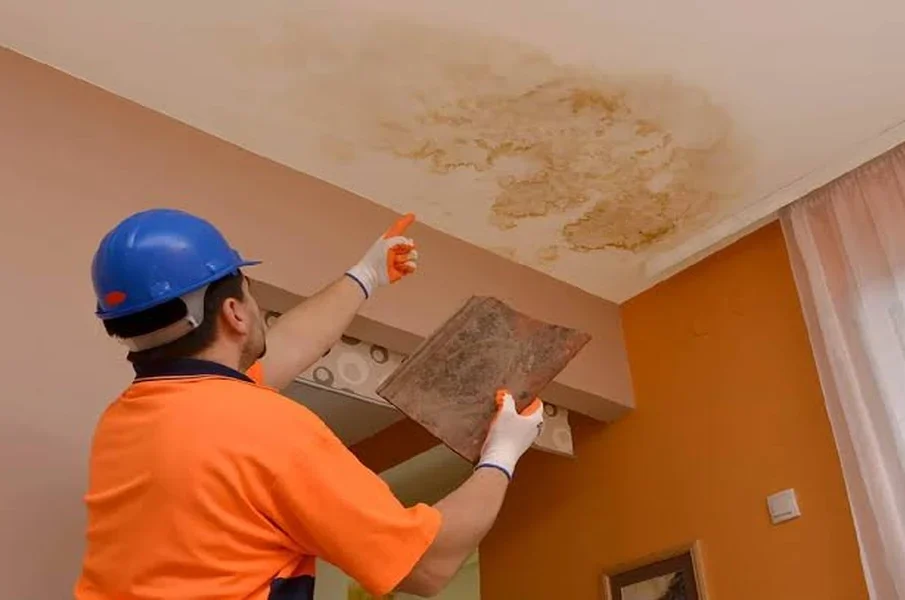
It usually starts as a faint yellow ring on the hallway ceiling, the kind that is easy to blame on old paint until it darkens after the next storm. The natural instinct is to assume the hole in the roof sits directly above it. Most of the time it does not.
Water that gets past a roof almost never drops straight down. It lands on the underlayment or the wood deck, follows the slope, clings to the underside of boards, runs along rafters and pipes, and finally lets go wherever gravity and a low point agree. That spot can be several feet away from the actual entry, sometimes on the other side of a wall.
This is the part of roof work homeowners rarely see. Good San Jose roofing repair is mostly detective work, and the Santa Clara crew at northcityroofing.com, like any careful roofer, spends more time tracing water than spreading sealant. Once you understand how a leak travels, it becomes much easier to judge whether a fix will hold or whether the stain will be back by February.
Following the Trail Backward
Tracing a leak means working in the opposite direction from the water. Each layer of the house holds a clue, and skipping one is how a patch ends up in the wrong place.
The ceiling. The stain shows where water collected, not where it came in. A ring with a brown edge has usually dried and rewetted several times, which points to a slow, recurring leak rather than one bad storm.
The attic. With a flashlight on a rainy day, the trail often shows up as a dark streak on a rafter, a water spotted strip of insulation or a drip hanging from a nail point. Following that streak uphill gets you much closer to the source than the ceiling ever will.
The underside of the deck. Darkened plywood, soft spots or white mineral rings around nail shanks show where water has been sitting. Many roofers push a thin wire up through a suspicious spot so they can find the same location from above.
The roof surface. Only now does anyone climb up, and they start uphill of the marked spot, not on it. A safety guide on assessing leaky roofs, compiled from several university extension services, makes the same point and adds that leaks rarely sit directly over the wet patch inside.
Where Water Actually Gets In
Across the older ranch homes and newer tracts that fill San Jose, the entry points repeat with surprising consistency. Roughly from most common to least, they tend to look like this.
- Plumbing vent collars, where the rubber boot around the pipe splits after years of sun and lets water run straight down the pipe.
- Flashing at walls and chimneys, especially where an earlier repair relied on caulk alone and the caulk has since pulled away.
- Valleys, where two slopes funnel water together and leaves pile up to form a small dam.
- Skylights, whose curbs and seals often age faster than the roof surrounding them.
- Exposed nail heads and popped fasteners, usually along ridge caps or old patch jobs.
- Torn, lifted or missing shingles after a windy storm, which is the problem most people picture first and, oddly, one of the less frequent culprits.
How Different Roofs Hide Their Leaks
The kind of roof on the house changes how far water can wander before it shows up.
A composition shingle roof over an open attic is the friendliest case, since the trail can usually be read from inside. Clay tile is trickier. Tile sheds most of the rain, but the real waterproofing is the underlayment beneath it, and water can ride along that layer for a long way before finding a torn spot or a nail hole. A single cracked tile is often the visible symptom of a much older problem underneath.
Flat and low slope roofs, common on Eichler homes and commercial buildings around the South Bay, are harder still. Water entering through a split seam or a failed drain can spread beneath the membrane before soaking through. Eichlers add another twist, since there is no attic at all. Water travels along the exposed beams and tongue and groove ceiling boards, so a drip in the living room can trace back to a seam near the opposite wall.
When the Roof Is Innocent
Some stains have nothing to do with the roof, and a careful repair visit rules these out before anyone charges for shingles.
- Bathroom exhaust fans that vent into the attic instead of outside can soak the deck with condensation, which then drips back down like rain.
- HVAC ducts and condensate lines running through attics can sweat or leak, leaving stains that appear even on dry days.
- Windows and stucco cracks high on an exterior wall let in water that shows up at the ceiling line and gets mistaken for a roof leak.
- Plumbing from an upstairs bathroom produces stains that grow whenever someone showers, regardless of the weather.
A useful test is timing. A stain that changes only during rain points to the roof or the walls, while one that changes on clear days points somewhere inside the house.
What a Repair That Lasts Looks Like
Once the true entry point is found, the fix should match it. A split vent collar gets a new boot, not a ring of roofing cement around the old one. Failed wall flashing gets properly lapped metal tucked under the siding or stucco, with the shingles above overlapping it so water is always shed outward. A damaged valley often needs the shingles lifted and new underlayment run through it, rather than a surface patch.
The deck matters too. If the plywood around the entry has gone soft, nailing new shingles into it simply moves the problem a season down the road. A competent roofer will check the wood, replace the damaged section and only then rebuild the layers above it.
Heavy smears of black mastic are worth questioning when you see them on your own roof. Sealant has its place for small details, but when it becomes the main repair, it tends to crack in the next hot summer and reopen the same path for water. The best sign of a durable fix is that it would still keep the house dry even if every bead of caulk on it disappeared.
Reading the Stain With Fresh Eyes
That yellow ring in the hallway is really just the last stop on a longer journey. Treating it as a clue rather than a target changes the whole repair, from the first look in the attic to the final layer of shingles. Homeowners who understand that path ask better questions, spot rushed patch jobs more easily and are far less likely to pay twice for the same leak.