Post-Construction Cleaning Workflow: Sequencing and Efficiency
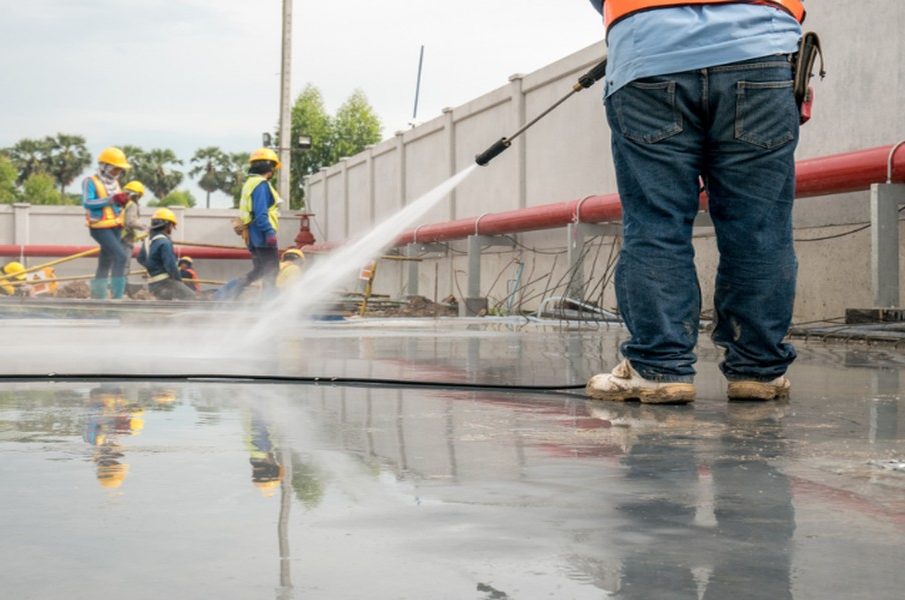
After construction or renovation, a site is rarely ready for immediate use. Dust, debris, and leftover materials can create hazards, hinder operations, and impact aesthetics. A structured post-construction cleaning workflow ensures efficiency, safety, and high-quality results, turning a construction site into a functional and welcoming space.
Planning and Assessment
The first step in an effective cleaning workflow is assessing the site. Identify areas with heavy debris, fine dust accumulation, and surfaces requiring deep cleaning. Evaluating the scope of work helps prioritize tasks, allocate resources, and determine the equipment and cleaning agents needed. Proper planning prevents missed spots and ensures a smooth cleaning process.
Sequencing Tasks for Maximum Efficiency
Efficiency in post-construction cleaning comes from following a logical sequence:
- Debris Removal: Begin by removing large construction materials, trash, and packaging. This clears the space and allows access to all surfaces.
- Dust Control: Use vacuums with HEPA filters, microfiber cloths, and specialized equipment to remove fine dust from floors, walls, ceilings, and air ducts.
- Surface Cleaning: Wipe down windows, doors, cabinets, and fixtures to remove dust and residues left from construction work.
- Sanitization: Focus on restrooms, kitchens, and high-touch areas to ensure a safe and hygienic environment.
- Final Inspection: Conduct a thorough walk-through to ensure all areas are clean, safe, and ready for occupancy.
Tools and Techniques
Using the right tools enhances workflow efficiency. HEPA-filter vacuums, microfiber cloths, floor scrubbers, and industrial cleaning solutions make it easier to remove stubborn dust and debris. Proper technique, such as working from top to bottom and dry cleaning before wet cleaning, ensures that surfaces are thoroughly cleaned without spreading dust.
Safety and Compliance
Post-construction cleaning involves handling sharp debris, chemical residues, and dust particles. Following safety protocols, wearing personal protective equipment (PPE), and adhering to local regulations protects workers and future occupants. Safety planning should be integrated into the workflow to prevent accidents and ensure compliance.
Continuous Improvement
Reviewing the workflow after each project allows teams to identify bottlenecks, optimize sequencing, and improve efficiency for future jobs. Documenting best practices ensures consistent results and reduces time spent on each project.
A structured post-construction cleaning workflow combines planning, proper sequencing, efficient tools, and safety measures to transform a construction site into a clean, safe, and usable space. Following these steps ensures timely project completion and satisfaction for both builders and occupants.
This post was written by a professional at Elite Service Solutions. Elite Service Solutions is your partner in commercial Janitorial cleaning near you. We offer a wide range of services, including janitorial, business deep cleaning near you, post-construction cleanup, VCT stripping and waxing, tile and grout cleaning, carpet cleaning, and more! Our expertise and commitment to quality ensure your space is not only clean but truly transformative. We customize cleaning plans to meet your specific needs and budget, using eco-friendly products and advanced technology. Our team is dedicated to excellence, aiming to exceed your expectations with every job. Choose Elite Service Solutions for a pristine, healthy, and welcoming environment. Contact us to elevate your experience with business cleaning near you!