Key Features of Modern Stacked Parking Systems
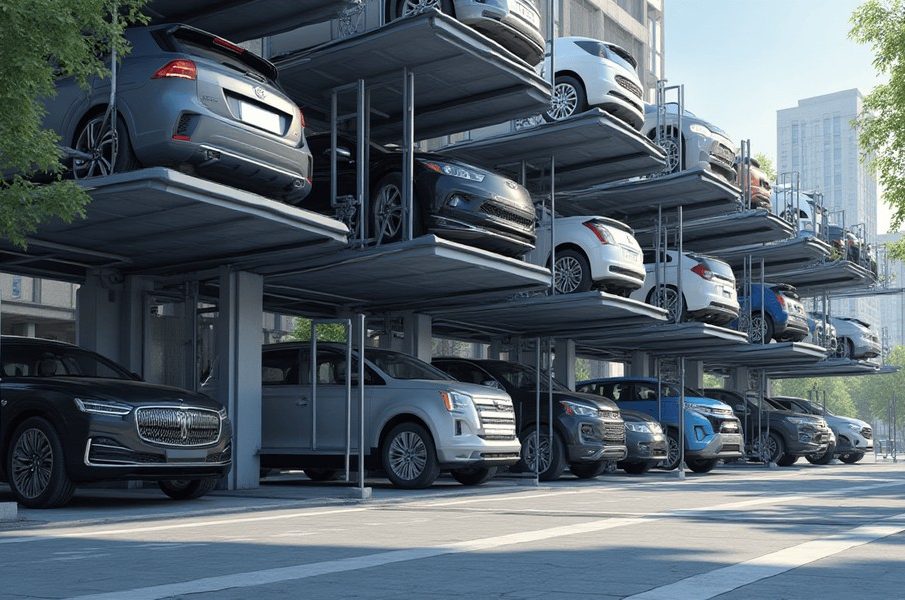
Urban areas continue to grow rapidly, and with this growth comes a constant challenge: limited parking space. As cities become more densely populated, traditional parking solutions are often no longer enough to meet demand. This is where stacked parking systems have become an innovative and practical solution. These systems are designed to maximize vertical space, allowing multiple vehicles to be parked in a single footprint. Understanding the key features of modern stacked parking systems helps property owners, developers, and city planners make better decisions for efficient space utilization.
How Stacked Parking Systems Improve Space Efficiency
One of the most important features of stacked parking systems is their ability to significantly improve space efficiency. Instead of spreading parking horizontally across large areas, these systems use vertical stacking technology to accommodate more vehicles in a smaller footprint. This is especially valuable in urban environments where land is expensive and space is limited.
Modern stacked parking systems are designed to fit into both residential and commercial properties. They can be installed in basements, open lots, or integrated into multi-story buildings. By utilizing vertical space, these systems help reduce the need for large surface parking areas, freeing up land for other uses such as landscaping, commercial development, or pedestrian zones.
Another advantage of space efficiency is improved traffic flow within parking areas. Since vehicles are organized in structured layers, congestion is reduced, and drivers can park or retrieve vehicles more efficiently. This makes stacked parking systems particularly useful in high-traffic buildings such as offices, shopping centers, and apartment complexes.
Advanced Technology and Automation in Modern Systems
Modern stacked parking systems are no longer just mechanical lifts. Many now incorporate advanced automation and smart technology to improve convenience and safety. Automated systems can move vehicles into designated parking slots without requiring drivers to navigate tight spaces, reducing the risk of accidents and damage.
Sensors and control systems are commonly integrated into these setups. They help monitor vehicle positioning, weight distribution, and system performance. This ensures smooth operation and minimizes the chances of mechanical failure. Some systems even include digital interfaces that allow users to request their vehicles through mobile apps or touch panels.
Safety is another major focus of modern stacked parking systems. Built-in safety locks, emergency stop functions, and backup power systems ensure that vehicles remain secure at all times. These features are designed to protect both the vehicles and the users, making the systems reliable for daily use in busy environments.
Automation also helps reduce the need for on-site staff, lowering operational costs over time. In larger developments, this makes stacked parking systems a cost-effective long-term investment while maintaining high efficiency and user convenience.
Design Flexibility and Structural Adaptability
Another key feature of stacked parking systems is their design flexibility. These systems can be customized to fit different architectural layouts and building requirements. Whether it is a residential complex, commercial building, or mixed-use development, stacked parking systems can be adapted to suit the available space.
Engineers and designers can configure systems to accommodate different vehicle sizes, weight capacities, and parking capacities. This flexibility ensures that both compact cars and larger vehicles can be accommodated efficiently. In addition, modular designs allow systems to be expanded or modified in the future if parking demands increase.
Structural adaptability also plays a major role in installation. Stacked parking systems can be installed in new constructions or retrofitted into existing buildings. This makes them a practical solution for property owners who want to upgrade their parking facilities without major structural changes.
Aesthetically, modern systems are also designed to blend with building architecture. Enclosed designs, sleek finishes, and compact structures ensure that they do not disrupt the visual appeal of a property. This is particularly important in high-end residential and commercial developments where appearance matters.
Maintenance and Operational Efficiency of Stacked Parking Systems
Maintenance and operational efficiency are essential aspects of modern stacked parking systems. These systems are designed to require minimal manual intervention while maintaining consistent performance. Regular maintenance schedules ensure that all mechanical and electronic components function properly and safely.
Most modern systems are built with durable materials that can withstand continuous use and varying environmental conditions. This reduces wear and tear and extends the overall lifespan of the system. In addition, many systems are equipped with diagnostic tools that can detect issues early, allowing for preventive maintenance rather than reactive repairs.
Operational efficiency is also improved through intelligent system design. Vehicles can be parked and retrieved quickly, reducing waiting times for users. This is especially beneficial in commercial environments where time efficiency is critical. The streamlined process helps improve user satisfaction while maximizing parking turnover.
Energy efficiency is another important consideration. Many stacked parking systems are designed to consume less power through optimized motor systems and energy-saving modes. Some even incorporate regenerative systems that reuse energy during operation, contributing to more sustainable building practices.
Stacked parking systems represent a modern solution to one of the most pressing challenges in urban development. With their space-saving design, advanced technology, flexible structure, and efficient operation, they provide a practical and forward-thinking approach to parking management in today’s crowded cities.