How to Secure Long-Lasting Solid Wood Pieces When You Buy Furniture in Singapore
Key Highlights
- Inspect the grain patterns to ensure the material is genuine solid timber rather than a veneer or composite.
- Evaluate the joinery techniques, such as dovetail joints, for superior structural integrity.
- Factor in the humidity levels of Singapore when selecting the specific wood type for longevity.
- Verify the finish quality, as a proper protective coating prevents moisture damage and surface wear.
- Align the furniture dimensions with your space to ensure the piece fits the room layout perfectly.
Introduction
Investing in solid wood furniture is a decision to embrace longevity, aesthetic warmth, and lasting value. Unlike mass-produced composite alternatives that often deteriorate after a few years, high-quality timber matures gracefully, developing character with age. For those looking to buy furniture in Singapore, understanding the nuances of wood selection is essential for ensuring your investment withstands the test of time and the unique challenges of the local tropical climate. This guide explores the foundational elements of quality woodworking and how you can select pieces that anchor your home for decades.
Identifying Quality Timber
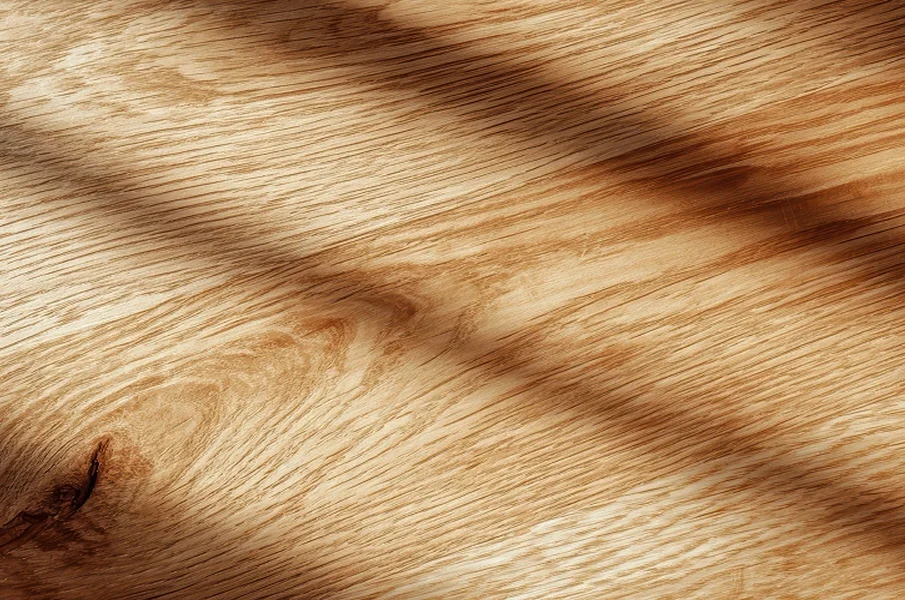
The journey toward a lasting piece begins with distinguishing between solid wood and engineered alternatives. Solid wood implies that the entire piece is constructed from natural lumber. Veneered furniture may appear attractive initially, but it is often just a thin layer of real wood bonded over particleboard or medium-density fibreboard. When you examine a potential purchase, look closely at the grain patterns. On genuine solid pieces, the grain should continue through the sides, edges, and corners of the component. If the grain terminates abruptly at the edge, you are likely looking at a veneer. Furthermore, solid timber should feel substantial; weight is often a reliable indicator of density and structural composition.
Assessing Joinery and Construction
The beauty of solid wood is secondary to the integrity of its construction. A stunning design will eventually fail if the joints are weak. Seek out traditional joinery techniques such as dovetail joints, mortise and tenon, or dowels. These methods rely on the interlocking mechanics of the wood itself rather than relying solely on staples, glue, or screws. Dovetail joints, in particular, provide exceptional resistance to pulling forces, making them ideal for drawers and structural frames. Avoid pieces where the primary connection points are purely adhesive, as these often lack the resilience required for daily wear and tear.
Managing Wood in a Tropical Climate
Singapore presents a unique environment for wood furniture due to its consistent humidity and temperature. Natural wood is a hygroscopic material, meaning it absorbs and releases moisture from the air, causing it to expand and contract. To prevent warping or cracking, it is vital to select wood species known for stability, such as teak, oak, or walnut. Proper acclimatisation is also a factor. Furniture sourced from temperate regions may require time to adjust to local humidity levels. Maintaining a stable indoor environment, perhaps through regular air conditioning or consistent ventilation, can significantly prolong the lifespan of your solid wood assets.
Selecting Functional Pieces
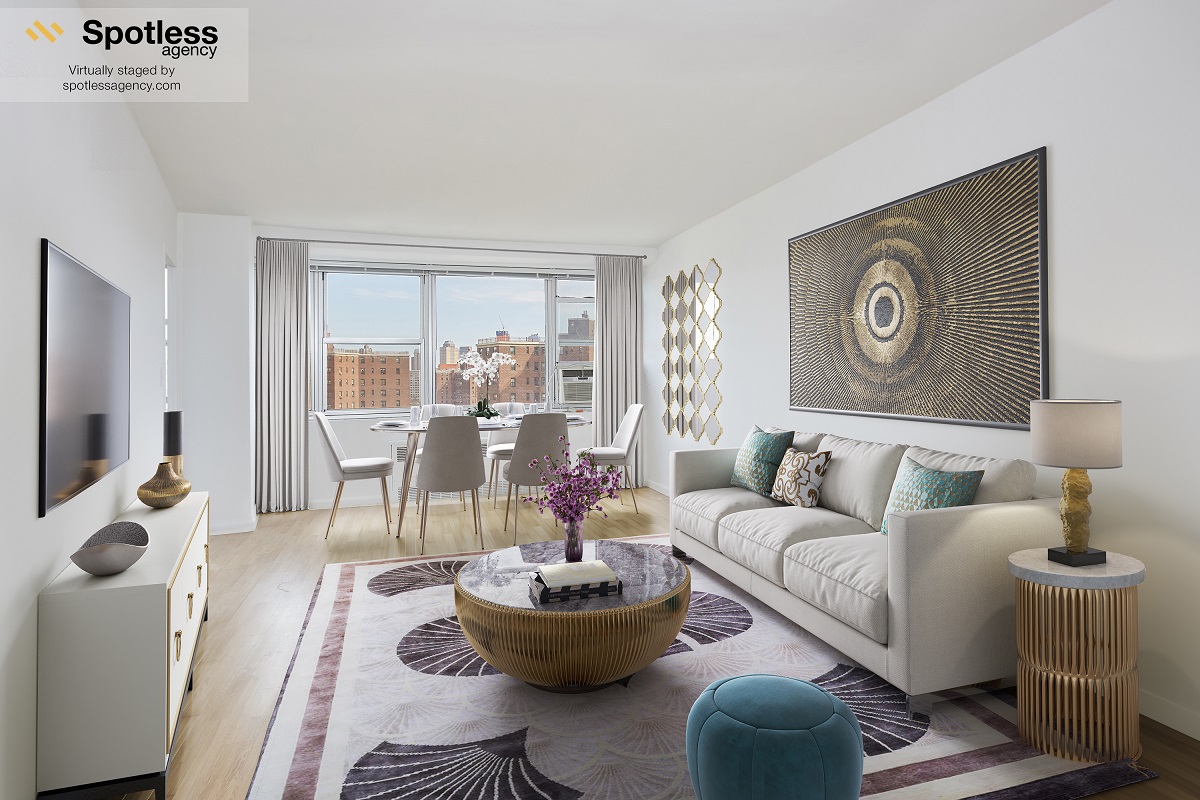
When you look to buy furniture in Singapore, balance is key. While the primary focus may be on large items like dining tables or bed frames, consider how these pieces interact with smaller accent furniture. For instance, pairing a robust, solid wood dining set with a well-constructed sofa chair can create a cohesive and inviting living space. Ensure the proportions of these items allow for ease of movement within the room. A sofa chair, when crafted with the same attention to timber quality and joint construction, serves as both a functional seat and a design statement that complements your larger wood pieces.
Long-Term Maintenance
Even the most resilient wood requires a structured maintenance routine. Dust accumulation can be abrasive over time, so regular cleaning with a dry, soft cloth is essential. Avoid harsh chemical cleaners that may strip away the protective finish and dry out the fibres. A high-quality wood wax or oil, applied sparingly once or twice a year, can help nourish the wood and maintain its moisture barrier. By taking these proactive steps, you ensure the integrity of the finish and the underlying structure remain intact for years to come.
Conclusion
Securing solid wood furniture is an investment in the heritage and comfort of your home. By prioritising construction quality, understanding the specific environmental needs of natural timber, and choosing designs that suit your lifestyle, you ensure that your furniture provides both beauty and utility. At La Riqueza Global, we understand the importance of quality procurement and are here to help you navigate your selection process.
Are you ready to find the perfect solid wood addition for your home? Contact us at La Riqueza for expert advice and sourcing assistance tailored to your requirements.