A Vegetable Garden Deserves a Deliberate Place Beside a New Pool
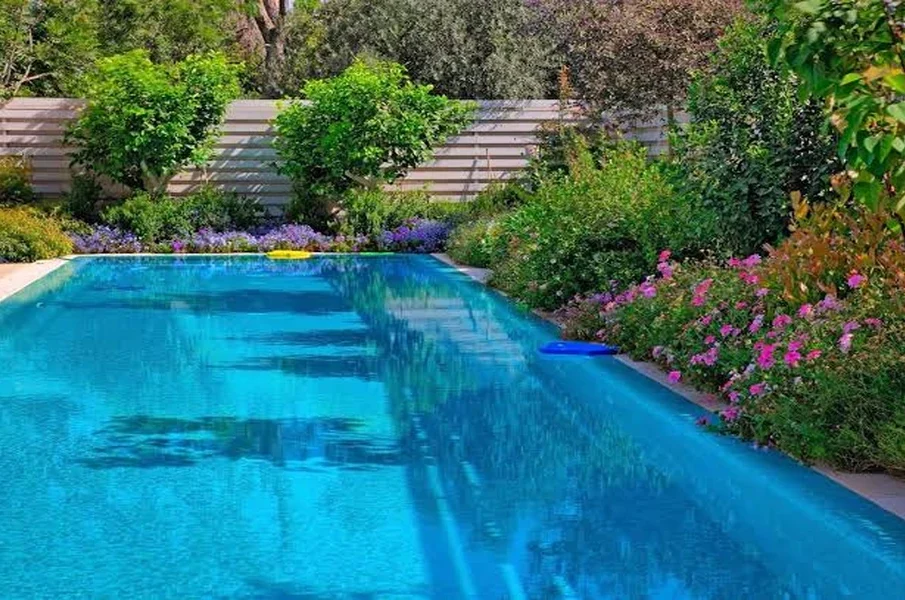
If growing food is one of the ways you enjoy your backyard, include that activity at the beginning of a pool-design conversation. A rectangle labelled garden does not explain which crops you grow, how you tend them or why the existing location works. Give the vegetable garden a clear role before the pool and patio absorb the most convenient parts of the site.
The goal need not be to preserve every existing bed. A smaller, better organised growing area may suit the new yard, while an ambitious replacement may ask more of the household than anyone wants. Start with the gardening you actually enjoy and decide how it can coexist with the pool.
Keep the crops you enjoy tending, not an abstract garden rectangle
Recall the most recent growing season. Which plants received regular attention, which harvests were used and which beds became obligations? This is a practical account of your habits, not a judgement about gardening skill. It helps separate a valued part of outdoor life from a patch retained mainly because it has always been there.
Describe the scale in familiar terms. You might want herbs for cooking, a few productive containers or a larger area for seasonal vegetables. Those are different requirements. A general wish to keep gardening can be interpreted too broadly or reduced to a decorative planter that does not fulfil the original purpose.
Identify features that matter to the work, such as an existing water source, a potting surface or a convenient place for ordinary tools. Their presence does not establish that they can remain unchanged, but it gives the design team useful information. Ask which relationships can be preserved and which need further assessment.
If several people share the garden, include their preferences. One person may value the harvest while another enjoys starting plants or tending a particular bed. A revised layout should reflect the work someone will willingly continue, rather than a collective promise that everyone will somehow find more time after construction.
Let the harvest, not the bed count, define success
A useful discussion with Jameson’s backyard design service can include the garden routine alongside pool placement and surrounding planting. Its planning information identifies plantings among the subjects considered. For a Mississauga or Oakville project, explain the growing activity you want the finished yard to support instead of treating it as decoration to add later.
Describe what you hope to bring into the kitchen. A few herbs gathered while cooking represent a different ambition from a substantial seasonal harvest intended for preserving or sharing. Both can be worthwhile, but they do not justify the same demand for growing space. Let the intended harvest give the designer a reason behind the area requested.
Recall which produce the household used enthusiastically and which went unwanted. A productive bed is not necessarily a valued one if its harvest arrives in quantities nobody wants to handle. You may choose to retain a favourite crop and give up another, creating a smaller garden with a clearer purpose beside the new pool.
Consider the attention the harvest requires when it arrives. If tending and collecting vegetables competes with the leisure time you want the pool to provide, choose a growing ambition you can sustain. Ask a horticultural professional how suitable crop choices might support that ambition; do not assume that shrinking the area guarantees a particular yield or removes the work.
Keep garden activity compatible with the pool’s required access controls. Health Canada’s pool-safety guidance says to keep furniture and tools away from the pool fence because children can use them to climb. Have the project team review the growing area and its equipment alongside the actual barrier arrangement.
Treat sunlight and growing conditions as information to verify
Tell the designer what you have observed about the current growing area, including its sunny and shaded periods. Distinguish that experience from assumptions about a new location. A corner that looks bright during one visit may not provide the same conditions throughout the growing season.
Seek suitable horticultural advice for the crops and proposed setting. Plant requirements vary, and a pool-layout discussion should not become an unsupported promise that any vegetable will thrive in the remaining space. Ask what needs to be verified before committing to a particular bed or container arrangement.
Consider proposed structures and planting as well as existing shade. A pergola, screen or new tree can change the relationship being evaluated. Make sure the garden advice is based on the intended finished yard, rather than on a photograph of the property before those elements are added.
Have soil, drainage and irrigation questions assessed by the appropriate professionals. Do not redirect runoff, alter levels or reconnect a watering system as an informal solution to a new garden position. A productive growing area depends on more than the amount of space left on the drawing.
Ask how the planting choice and the poolside setting should be coordinated. Explain any concerns about maintenance products or material movement and follow the applicable product directions and professional advice. Avoid relying on a universal separation distance copied from an unrelated garden or pool installation.
Make the first growing season a realistic one
Construction timing may mean that the first season looks different from the long-term plan. Discuss what can reasonably be ready for planting and what should wait. It is better to scale the garden deliberately for that transition than to schedule a full growing season around a completion date that has not been confirmed.
If existing plants or garden features are to be retained, ask who will assess and manage that work. Do not assume that everything can be moved successfully or that the pool contractor’s scope automatically includes horticultural tasks. Confirm the arrangement for the particular items that matter to you.
Leave room to learn from the new yard without leaving essential decisions unresolved. A modest first planting can show how the household uses the space while the permanent layout remains coherent. The vegetables should have a place because someone wants to grow and harvest them, not because an unused corner needed a green label.