Fire Features and Heat-Safe Stone: What Every Homeowner Should Know Before Lighting Up
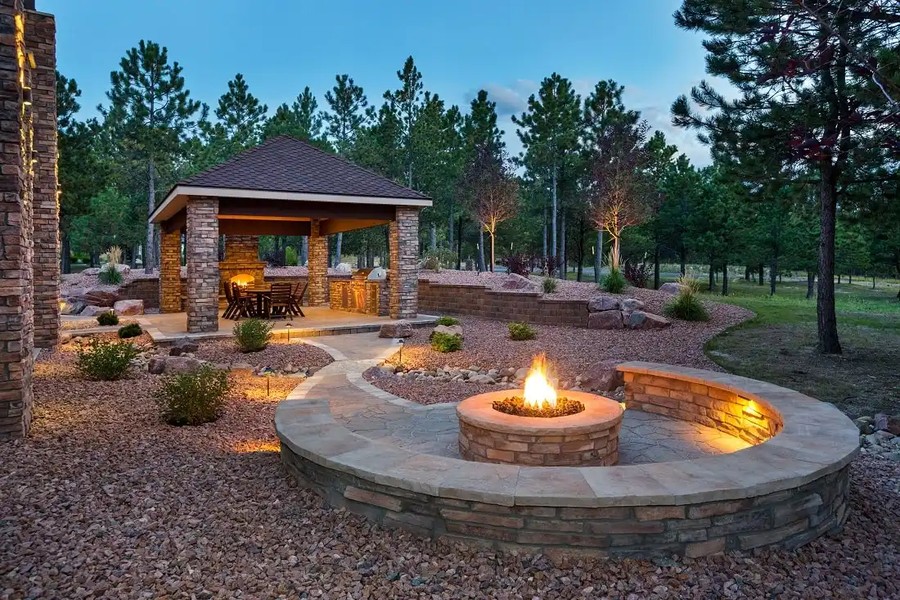
A fire pit or fire bowl can become the beating heart of an outdoor space. It draws people together on cool evenings, extends the usable season of a patio well into autumn, and adds a mesmerizing focal point that few other features can match. But behind that inviting glow lies a detail many homeowners overlook until it is too late: not all stone belongs near fire. Choosing the wrong material can lead to cracking, discoloration, or, in the worst cases, dangerous popping and shattering. Understanding how stone behaves around heat is essential before you strike the first match.
Why Ordinary Stone and Fire Do Not Mix
It is tempting to assume that because stone comes from the earth and feels indestructible, it can handle anything, including open flame. In reality, many common landscaping stones are poor choices for fire features. The problem usually comes down to moisture and structure.
Porous or sedimentary stones, such as certain river rocks and limestone, absorb water into their internal pores. When that trapped moisture heats rapidly, it turns to steam and expands with tremendous force. Because it has nowhere to escape, the pressure can cause the stone to crack loudly or even burst, sending fragments outward. This is not a rare fluke; it is a predictable reaction of the wrong material meeting intense heat.
Dense, non-porous stones behave very differently. They absorb little to no water, so there is no trapped moisture to flash into steam. These are the materials that have been used safely around fire for generations, and they remain the standard for anyone building a fire feature that will see repeated use.
The Materials Built to Withstand Flame
Several materials are specifically suited to the demands of a fire pit or fire bowl. Lava rock is among the most popular, and for good reason. Formed by volcanic activity, it is already accustomed to extreme temperatures. Its porous appearance might seem to contradict the moisture rule, but its structure allows heat to distribute evenly, and it holds warmth long after the flames die down, radiating comfort across the patio.
Fire glass is another excellent option, prized for its clean, contemporary look. Made from tempered glass engineered to endure high temperatures, it does not burn, melt, or produce smoke and ash. Instead, it reflects the flames in shimmering points of light, turning a simple burner into a jewel-like centerpiece. It comes in a wide spectrum of colors, allowing homeowners to coordinate the fire feature with the rest of their design.
Purpose-made fire stones, engineered from heat-resistant materials, offer the natural look of rock with the safety of a controlled product. They are designed to sit over gas, propane, or ethanol burners without degrading, delivering the organic aesthetic many people want without the risks of untested landscaping rock. Retailers such as stonedecorative.com carry ranges developed specifically for fire applications, which takes the guesswork out of matching material to purpose.
Matching the Fuel Source to Your Stone
The type of fire feature you choose influences which stone will serve you best. Gas and propane burners produce a clean, controllable flame and pair well with fire glass and engineered fire stones, both of which stay free of soot and are easy to keep looking pristine. Because these fuels ignite and extinguish at the flip of a switch, the stone primarily serves to conceal the burner and radiate heat while looking attractive.
Wood-burning pits create a different set of conditions. The higher, less predictable temperatures and the ash they generate call for especially rugged materials. Lava rock and dense, heat-tested stone hold up well here, though they will need occasional cleaning to clear accumulated ash. Whatever the fuel, the guiding principle remains constant: use only material specifically rated or proven safe for direct heat exposure.
Designing a Fire Feature That Fits Your Space
Safety comes first, but aesthetics and placement matter enormously for how much you will actually enjoy the feature. Position a fire pit a sensible distance from the house, overhanging branches, fences, and anything flammable. Allow generous room around it for seating so guests can gather comfortably without crowding the flames.
The surrounding surface deserves thought too. A base of heat-tolerant gravel or stone beneath and around the pit protects the ground, prevents stray embers from finding fuel, and visually anchors the feature within the wider landscape. Coordinating the color of that surrounding stone with the fire glass or fire stones inside the pit creates a cohesive look that feels deliberate rather than assembled from mismatched parts.
Scale is worth considering as well. A modest fire bowl suits an intimate courtyard or balcony, while a larger built-in pit can command a spacious backyard and serve as the anchor for an entire outdoor living room. Matching the size of the feature to the space keeps the proportions comfortable and the setting welcoming.
Maintenance and Seasonal Care
Heat-safe stone requires little upkeep, but a few habits will extend its life and keep it looking its best. After the feature cools completely, brush away debris and, for wood-burning setups, remove accumulated ash before it absorbs moisture and hardens. Fire glass benefits from an occasional rinse to wash off dust and restore its sparkle, and any glass that has dulled can usually be revived with gentle cleaning.
Before winter, it is wise to cover the fire feature or store loose stone and glass in a dry place, protecting them from repeated freeze-thaw cycles and debris buildup. Inspecting burners, connections, and stone for wear at the start of each season ensures everything is ready for safe use when the first cool evening arrives.
Enjoying the Warmth With Confidence
A well-built fire feature rewards the care you put into planning it. By starting with the right stone, chosen for its ability to handle heat rather than merely its appearance, you eliminate the most common and most dangerous mistake homeowners make. From there, the pleasures are all upside: longer evenings outdoors, a natural gathering spot for family and friends, and the timeless appeal of firelight dancing across carefully selected stone.
The lesson is simple but important. Fire and stone can create something extraordinary together, but only when the material is matched to the task. Take the time to choose heat-rated products, respect the safety fundamentals of placement and clearance, and maintain your feature through the seasons. Do that, and your fire pit will deliver years of warm, memorable evenings without a single anxious moment about what the flames might do to the rock beneath them.