
Tomato Season Can Shape a Simple Pierogi Supper
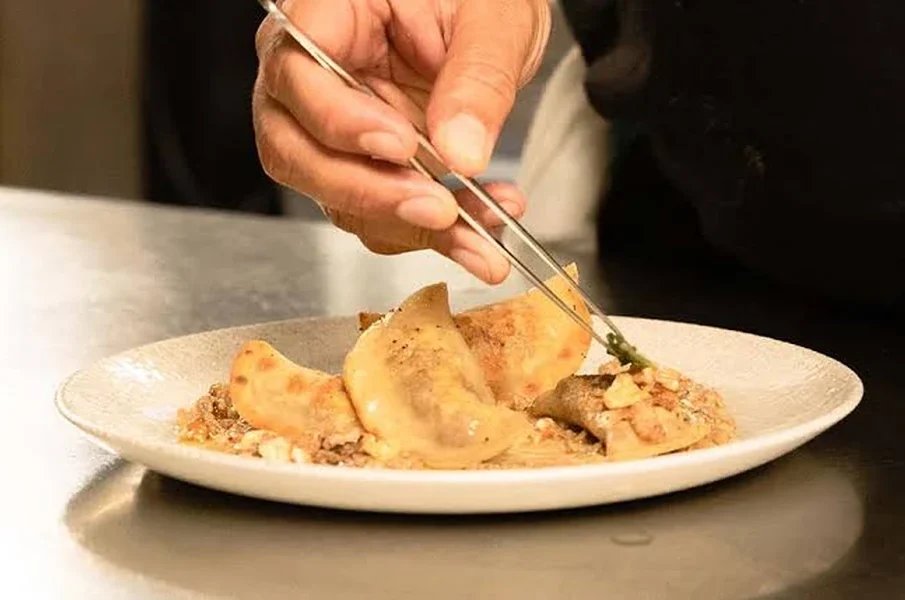
When you have tomatoes you want to eat fresh, let them define the side dish and choose a pierogi filling to accompany them. There is no need to turn the tomatoes into a cooked sauce. A simple, separate preparation can preserve their role in the meal while the dumplings provide the hot component.
Tomato season means different things in different gardens and shopping routines. Begin with the tomatoes actually available to you, whether you picked them in a garden or brought them home from a grocery trip. Use their condition, flavor and amount to decide what kind of supper makes sense.
Let the tomatoes decide the side dish
Look at what you have before choosing a treatment. Larger tomatoes may suit slices or wedges, while smaller ones may be comfortable in another form. Prepare them appropriately and remove anything unsuitable to eat. A recipe idea should respond to the produce in your kitchen rather than ask you to pretend every tomato is identical.
Taste a suitable piece if you are deciding how much seasoning the tomatoes need. Some may be appealing with a restrained finish, while others invite a different preparation. A sweet tomato may need a different finish from a sharper one, so taste before deciding how much dressing to add to tonight’s side.
Assess the amount honestly. A few tomatoes may provide an accent beside another vegetable, while a larger quantity can form a substantial accompaniment. Do not turn a small handful into an imagined large salad when planning portions. Let the actual produce guide the plate.
Keep the first idea simple enough to execute. If the tomatoes are the reason for the meal, a complicated sauce with many competing ingredients may conceal what you wanted to enjoy. Slices, wedges or another familiar preparation can give them a clear role without creating another lengthy cooking task.
Choose a filling that leaves room for acidity
Think about how the tomato side will sit beside the dumplings. A potato-and-onion filling can offer a savory direction while the tomatoes provide a fresher, tangier element. A cheese filling suggests another relationship. Neither is compulsory; use combinations you already like as a guide.
Account for the dressing as well as the tomatoes themselves. If you plan a sharp dressing, adding another assertive sauce to the dumplings may make the plate more intense than you intended. You can leave one component simply prepared so that the other has room to stand out.
Do not assume that matching ingredients is the only way to connect the foods. An onion filling does not require a large quantity of raw onion in the tomato dish. You might prefer an herb accent or a plainer finish. The useful question is whether each component contributes something you want in the same meal.
Check household preferences before committing. Someone who enjoys tomatoes may prefer them without a particular dressing, and someone who likes cheese may still want an onion filling tonight. Keeping the side and finishing ingredients separate where practical gives people room to make small choices without changing the main preparation.
Keep the tomato preparation distinct from the hot food
Prepare the tomatoes as their own component and decide when they should meet the plate. If you want them fresh beside the dumplings, do not automatically put them into the cooking vessel just because the rest of dinner is being prepared there. A shared plate does not require a shared method.
For the main component, Sizzlin’ Fried Onion contains potato and onion in a full-size, plant-based pierogi. The descriptions for Holy Perogy in Philadelphia can help you compare that filling with the other choices before contacting a retailer. Keep the tomato side separate until serving so you can decide how much juice or dressing to combine with each bite of the onion filling.
Follow the purchased product’s preparation directions. Holy Perogy’s dumplings are frozen and uncooked, and the presence of a fresh side does not shorten or alter their required cooking. Plan the side so it fits around the actual method instead of relying on an assumed universal dinner time.
Use separate serving space if the tomato juices would change the dumplings in a way you do not want. A small bowl or a distinct area of the plate may be useful. If you enjoy combining the juices with each bite, you can do so at the table. The arrangement should support your preference rather than dictate it.
Use only the finishing ingredients the plate needs
Review the additions before reaching for more. Tomatoes, dumplings and a chosen dressing may already provide the flavors you wanted. An herb can be welcome if you like it, but another cheese, sauce or garnish is not mandatory. A meal can feel intentional because its components are clear.
If you buy a finishing ingredient, give the remainder another plausible use. A bunch of herbs or a new condiment should not become an orphaned purchase after one decorative serving. Consider an existing food in your kitchen first, then decide whether an additional item brings enough to justify buying it.
Let the garden or grocery purchase lead only as far as it is helpful. You do not need a themed menu in which every course contains tomatoes. One good accompaniment can be the entire reason for this particular supper, with the dumplings providing a familiar contrast alongside it.
When you sit down, the tomatoes should still have a recognizable place on the plate. Give them enough room to be eaten and enjoyed, rather than hiding them as a token garnish or burying them under a collection of finishes. A clear tomato side and a thoughtfully chosen filling can be a complete meal idea without becoming a complicated sauce project.