
A Practical Look at Parking Lot Measurements for Asphalt Orders
Introduction
Accurate parking lot measurements are an important part of planning any asphalt paving project. Before asphalt is ordered, contractors carefully measure the area and calculate how much material will be needed. These measurements help ensure that the project is completed efficiently while reducing unnecessary waste and avoiding material shortages. Since every parking lot has a unique layout and purpose, contractors consider several factors before placing an asphalt order. Understanding how parking lot measurements are used can help property owners better understand the planning process that takes place before paving begins.
Before any paving work begins, contractors rely on precise measurements to create a reliable material estimate and avoid costly delays. Every section of the parking lot, including irregular shapes, entrances, and parking lanes, must be measured carefully to ensure the calculations reflect the actual project scope. Understanding how Lot Measurements Translate Into Asphalt Guide principles are applied gives property owners a clearer picture of why accurate measurements play such an important role in determining asphalt quantities, controlling project costs, and ensuring enough material is available to complete the paving job efficiently.
Measuring the Paving Area
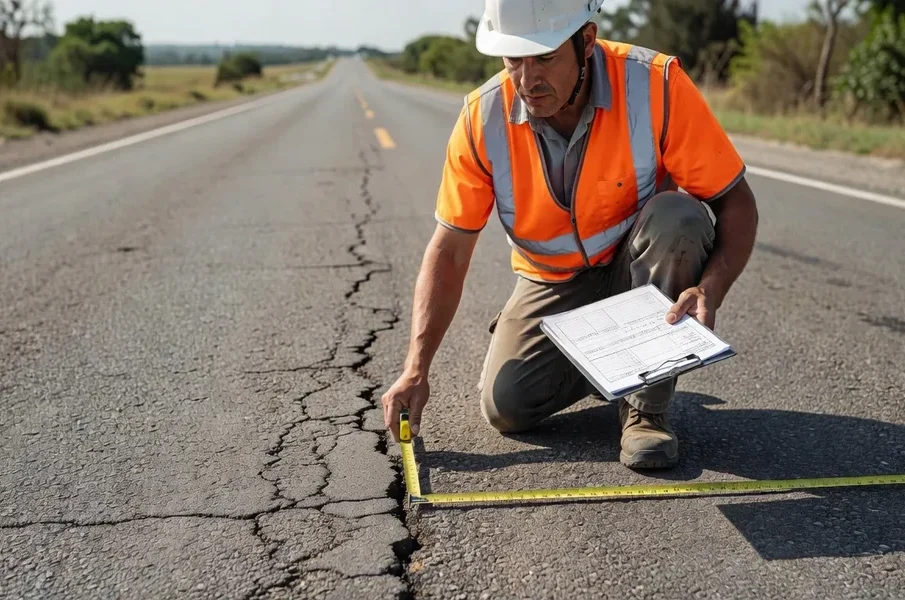
The first step is measuring the parking lot to determine the total area that requires paving. Contractors measure the length and width of each section and calculate the overall surface area.
Accurate measurements are essential because they form the foundation of the asphalt estimate. Careful calculations help ensure that the correct amount of material is ordered for the project.
Determining the Asphalt Thickness
After measuring the parking lot, contractors decide how thick the asphalt layer should be. The required thickness depends on how the parking lot will be used and the amount of traffic it is expected to handle.
Parking lots that regularly support heavy vehicles often require thicker asphalt than areas used mainly by passenger vehicles. Selecting the appropriate thickness helps improve durability and long-term performance.
Evaluating Existing Site Conditions
Before placing an asphalt order, contractors inspect the existing surface to identify any conditions that may affect the project. They examine the site for cracks, potholes, uneven areas, drainage issues, and foundation concerns.
If repairs or additional site preparation are needed, the amount of asphalt required may change. A detailed inspection helps improve the accuracy of the final estimate.
Calculating Material Requirements
Once the measurements and pavement thickness have been confirmed, contractors calculate the amount of asphalt required for the project. These calculations are based on the total paving area and the planned asphalt depth.
Accurate material calculations help reduce waste, avoid shortages, and support a smoother paving process.
Reviewing the Project Layout
The overall design of the parking lot is also considered before the asphalt order is finalised. Features such as parking spaces, drive lanes, loading areas, and access points may influence the final material calculations.
Reviewing the complete layout helps ensure that every part of the project is included in the estimate.
Finalising the Asphalt Order
Before placing the order, contractors review all measurements and calculations to confirm their accuracy. This final review helps ensure that the correct amount of asphalt is available when construction begins.
Careful planning also reduces the likelihood of delays caused by material shortages or ordering errors.
Conclusion
Parking lot measurements are an essential part of preparing accurate asphalt orders. Contractors carefully measure the paving area, determine the required pavement thickness, evaluate existing site conditions, calculate material requirements, and review the project layout before placing the final order. This detailed process helps improve efficiency, minimise waste, and support successful project completion. Accurate measurements and careful planning ensure that the paving project begins with the right amount of asphalt, helping create a durable and long-lasting parking lot surface.