
Reading the Fine Print Behind a Thirty Year Roof Warranty
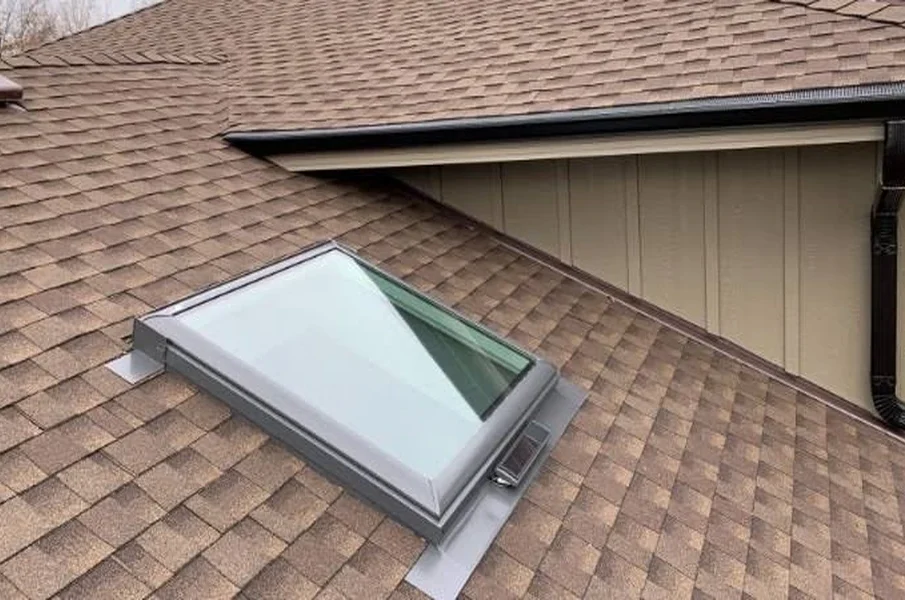
Picture a homeowner in Gentilly nine years after a reroof. A brown stain spreads across the hallway ceiling, and she pulls out the folder from the job, confident that the words “lifetime warranty” on the brochure will settle everything. Then the phone calls begin. The shingle maker wants proof of registration. The original installer has closed shop. The coverage she assumed was full turns out to shrink a little every year.
Stories like that are common, and almost none of them involve fraud. They come from a document most people sign without reading, because a warranty looks simple until the day it gets tested.
The right questions are worth asking before any contract is signed, and a good New Orleans roofing company should be comfortable walking through each one. Shifflett Roofing, for example, lets homeowners choose between 30, 40 and 50 years of coverage on a new roof. The firm has been locally owned since 1999, carries full licensing, bonding and workers’ compensation insurance, and is certified to install FORTIFIED roofs built for hurricane and hail standards. Those details matter because a warranty is only as strong as the people and paperwork behind it.
Two Promises Living in One Folder
Nearly every new roof comes with two separate warranties, and they protect against completely different failures.
The first comes from the manufacturer and covers the product itself. If shingles crack, lose granules early or fail because of a factory defect, this is the promise that applies. The second comes from the contractor and covers workmanship, meaning nailing patterns, flashing, valleys, vents and every detail installed by hand.
Here is the uncomfortable truth. Most roof leaks in this region trace back to installation errors rather than defective shingles. A shingle maker will not pay for flashing that was bent wrong at a chimney, so the length and strength of the labor warranty deserve at least as much attention as the brand on the bundle.
When Lifetime Means Something Smaller
Many shingle warranties advertised as lifetime only pay in full for an initial window, often somewhere around ten years. After that, coverage becomes prorated, which means the amount paid drops as the roof ages. By year twenty, a valid claim might cover only a fraction of material cost, and labor may not be included at all.
Some manufacturers offer enhanced system warranties that extend the full coverage period and include labor. These usually come with conditions attached.
- The installer must hold a specific certification level with that manufacturer.
- Starter strips, ridge caps, underlayment and ventilation products typically need to come from the same brand.
- The warranty must be registered within a set period after the job is done.
Wind coverage follows a similar pattern. A standard shingle installation is often warranted against winds at a certain speed, while a higher rating usually requires extra nails and special starter courses at the edges. Ask which wind rating applies to the exact installation in your contract, not the best number printed in the brochure.
Small Habits That Void Big Promises
A warranty can stay perfectly intact for years and then disappear because of something that felt harmless at the time. The most common culprits in South Louisiana homes include these.
- Poor attic ventilation that lets summer heat bake shingles from below, which many manufacturers treat as grounds for denial.
- Pressure washing algae streaks, which strips protective granules.
- Satellite dishes, solar mounts or new vents installed by someone other than the roofer, leaving unapproved holes.
- Mixing brands during a later repair.
- Letting water pond on low-slope sections where the product was never rated for standing water.
None of these require dramatic neglect. They are ordinary household decisions, and that is exactly why they catch so many people off guard.
Storm Damage Lives Somewhere Else
A roof warranty is not insurance. Material and workmanship coverage protect against defects, while hurricane damage, falling limbs and hail are matters for a homeowner’s policy. When winds exceed what a shingle was rated to handle, the warranty generally steps aside.
This is where stronger construction pays off in a different way. A roof built to FORTIFIED standards uses ring-shank nails, a sealed deck and reinforced edges, and many insurers in Louisiana reward that with lower premiums. Warranty and insurance work best as partners, each covering the gaps the other leaves open.
Licensing Now Shapes What You Can Enforce
Louisiana tightened its rules for residential roofing, and those changes reach directly into warranty territory. Roofing projects valued at $7,500 or more on homes now require a contractor holding a residential roofing or residential construction license, and roofing work requires a permit. A contract signed with someone lacking the proper classification can leave a homeowner with very little to enforce later. Checking a license takes a minute on the Louisiana State Licensing Board for Contractors website and should happen before any deposit changes hands.
Selling the House Changes the Math
Buyers increasingly ask about roof age and coverage during inspections. Many manufacturer warranties can be transferred only once, sometimes only within a short window after the sale and occasionally with a fee. Some workmanship warranties do not transfer at all. If a sale is anywhere on the horizon, ask how transfer works before choosing between bids, since a transferable warranty can become a genuine selling point.
The Folder Worth Keeping
When the job is done, a little organization protects years of coverage. A complete roof file should hold the signed contract, both warranty certificates, the registration confirmation, the building permit and final inspection, photos taken during tear-off and installation, and receipts for every later repair. Store a digital copy somewhere off site, because the moment you need these papers most may be the week after a storm when the house itself is hard to get into.
A long warranty sounds reassuring, and it can be. Its real value shows up only when the promise is understood, registered, protected and backed by an installer who will still answer the phone years from now.