What Safety Measures Are Used During HVAC Cleaning in Brentwood TN?
Safe HVAC work begins with a plan for controlling dust, protecting the property, and keeping people away from active equipment, open ductwork, and service openings. Before tools enter the system, technicians inspect access points, shut down relevant components, and decide how hoses, cords, and machines will move through occupied rooms. Professional HVAC cleaning in Brentwood TN should combine careful setup, contained debris removal, personal protection, clear communication, and a final operating check.
System Shutdowns Prevent Accidental Starts and Electrical Hazards
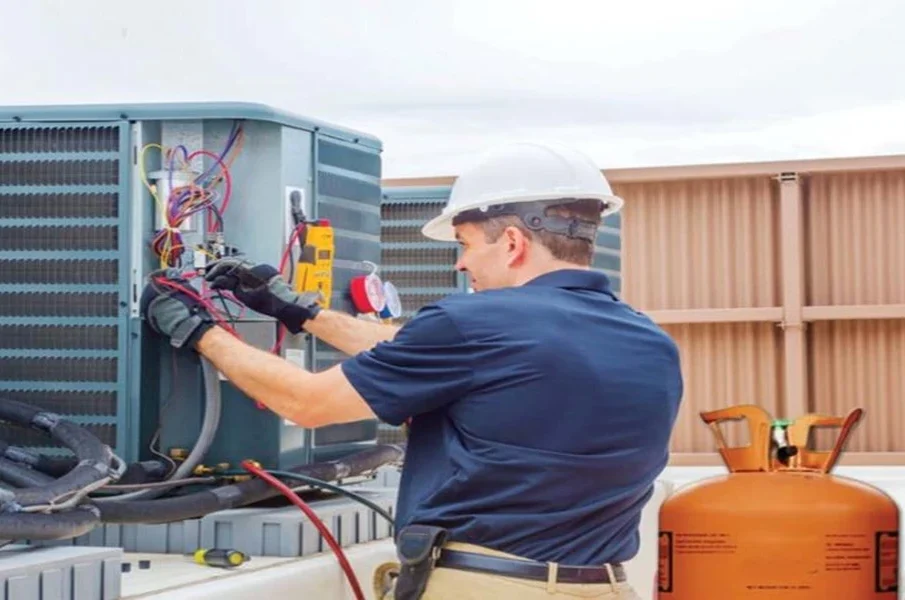
Technicians turn off the HVAC system before opening panels or placing tools near fans, belts, motors, and other moving parts. This step prevents the blower from starting unexpectedly while hands, cameras, brushes, or vacuum hoses are inside the equipment or close to exposed wiring.
Power may also be disconnected at the service switch or breaker when work reaches electrical compartments or the blower cabinet. Complete shutdown protects the crew from energized parts and keeps loosened debris from being pushed through the house during setup, inspection, and tool placement.
Lockout procedures provide added control on larger or more complex systems with multiple controls. A marked switch, breaker notice, or physical lock helps ensure that no one restarts the equipment before the technician confirms that tools are removed and access panels are clear and ready for secure reassembly.
Controlled Suction Keeps Dust From Escaping Into Rooms
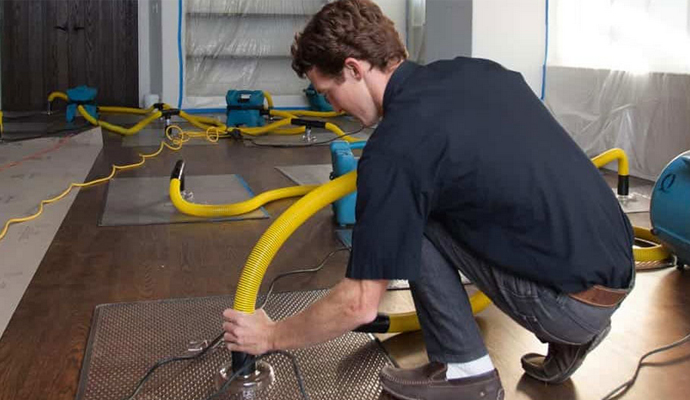
Negative-air machines create a steady pull through the duct network while technicians loosen buildup from interior surfaces. That airflow guides dust, hair, pollen, insulation fragments, and other debris toward sealed collection equipment instead of allowing particles to leave open registers and spread through occupied rooms.
Sealed vent covers help concentrate suction in the branch or trunk section being cleaned. Careful placement also prevents sudden puffs of residue from landing on walls, floors, furniture, bedding, or nearby household belongings.
HEPA-filtered vacuums support detailed work around grilles, cabinets, filter slots, and accessible HVAC components. Homeowners searching for HVAC cleaning near me can ask whether the contractor uses filtered exhaust and maintains negative pressure throughout agitation, vacuuming, and final cleanup.
Home Protection Reduces Scratches, Trips, and Surface Damage
Floor runners create a clean path for heavy hoses, portable vacuums, ladders, and wheeled equipment. Durable coverings help protect hardwood, tile, carpet, and stair treads from grit, moisture, tracked dust, or repeated foot traffic during a multi-room appointment.
Corner guards and hose sleeves reduce rubbing against painted walls, doorframes, railings, cabinets, and trim. These barriers matter because commercial vacuum lines can be bulky and may shift as technicians work between distant supply and return vents on floors.
Furniture near registers is moved or covered before cleaning begins, depending on its size and location. Clear work zones give crews room to remove vent covers, position ladders, and handle tools without striking lamps, artwork, electronics, or fragile décor.
Personal Protective Gear Matches the Material Found
Respirators help reduce inhalation of fine dust, insulation fibers, pest debris, soot, and other airborne material disturbed during cleaning. The level of protection depends on what technicians find during the initial inspection and how much agitation the planned cleaning method requires.
Gloves and safety glasses protect against sharp sheet-metal edges, loose fasteners, dirty surfaces, and compressed-air blowback. Stable footwear also improves stability around ladders, equipment cords, attic entries, crawl-space openings, and tight utility areas.
Protective clothing may be needed when a system contains heavy construction dust or questionable contamination. Responsible HVAC cleaning crews stop and reassess if they encounter wet insulation, widespread growth, active pests, or conditions that require containment, repair, or evaluation by another specialist.
Inspection and Communication Keep the Appointment Organized
Cameras and direct visual checks help technicians locate damaged ducts, exposed wiring, damp insulation, pest evidence, blocked passages, or unsafe access points. Early findings allow the crew to change tools or pause the work before a hidden problem creates a larger safety concern.
Residents should receive clear instructions about rooms that need to remain open and areas that should stay off-limits. Children and pets are safer when kept away from hoses, cords, open panels, ladders, service openings, and active cleaning equipment until technicians finish the safety check. Final checks confirm that registers are secure, access openings are sealed, panels are reinstalled, tools are accounted for, and the HVAC system operates normally.