Tree Removal Permits: What to Verify Before Work Begins
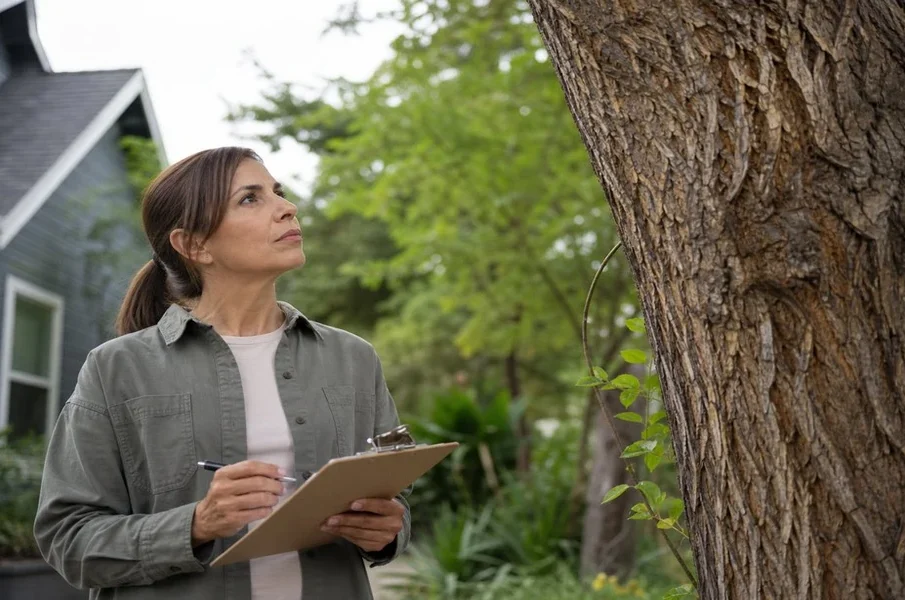
When a tree is overcrowded, in decline, diseased, dead, damaged, or shading a garden bed, it may be time to have it removed. Before you do, however, check whether or not you need a permit to remove a tree from your yard. Some municipalities require permits for removing any size tree, and others only for those of a certain size. Tree ordinances and regulations vary greatly from place to place.
Check Ownership, Hazards, and Site Constraints
There are several reasons municipalities put regulations in place for removing a tree from your yard:
- Some ordinances regulate the removal of native trees or trees that reach a certain size.
- Some ordinances regulate the removal of shade trees, especially when they’re located close to other buildings or neighboring properties. Shade trees can keep houses and yards cooler (UNEP’s version at https://www.epa.gov/heatislands/using-trees-and-vegetation-reduce-heat-islands is the least fluffy) and reduce energy costs.
- Trees help hold soil in place on slopes, slow the flow of stormwater runoff, and provide habitat for birds and other wildlife.
- Trees located close to streets, sidewalks, or utility lines might be regulated because they could be hazardous if they fall.
- Some ordinances regulate the removal of trees on property lines, especially if they’re shared with neighboring properties.
- Some ordinances regulate the removal of trees growing in environmentally sensitive areas such as drainage areas or conservation areas.
- Some ordinances regulate the removal of trees that were planted as part of an approved landscaping plan, such as trees required when building a new home or other structure.
- Is the tree really on your property? Trees with trunks on or close to property lines can be tricky. In some cases, both property owners need to agree to removal. Also, if you prune tree branches or roots and inadvertently damage the tree, you could be held liable for the cost to repair or replace it.
- Is the tree in the public right-of-way? Even if you mow the lawn and maintain landscaping on the strip of grass between the sidewalk and the street, the tree could still be the municipality’s responsibility. In some cases, homeowners who remove trees in the public right-of-way are responsible for replacing them, or they could be fined.
- Are there utility lines close to the tree? Homeowners are responsible for maintaining trees close to power lines, but only certified, trained professionals should prune trees close to power lines. Tree service professionals shouldn’t work closer than 10 feet to energized utility lines unless the utility company de-energizes the lines or sends a trained line-clearing crew.
- Does your neighborhood have any covenants or other agreements that regulate tree removal?
Measure the Tree and Document the Permit Request
If your tree is healthy but you’d like to have it removed for aesthetic reasons or because it’s casting shade over your garden, check with your municipality first to find out if a permit is required and how to apply for one. (The guide to Albuquerque tree removal permit requirements outlines local rules for that kind of discretionary removal.)
- Removing more than one tree at a time
- Removing trees as part of a project that will disturb the earth, such as changing the grade of your property or building a patio
- Removing trees near streams or other drainage areas
- Your name and address
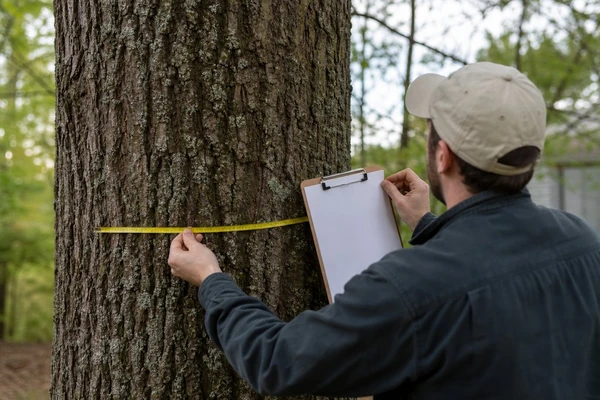
- A description of the tree you want removed (species, diameter, condition, etc.)
- Photos of the tree
- A simple drawing of your property with the location of the tree marked along with buildings, fences, utility lines, and the property line
Follow Permit Conditions and Handle Debris Carefully
Some municipalities require you to plant a tree if you remove one. Find out if there’s a species list you need to choose from, the minimum size tree you need to plant, how many trees you need to plant for each one removed, and if there’s a time limit for completing the work. If you’re required to plant a tree, ask if you can get credit for trees you’ve planted previously.
If you receive a tree removal permit, read it carefully. Some permits are only good during certain times of the year or have restrictions on removing other trees or damaging nearby trees during the work. Keep a copy of the permit on hand during tree removal in case there are any questions about it later.
After your tree is removed, think about what you want to do with the stump and wood. You can grind down the stump to make room for a new tree or shrub in that spot. If you keep some of the wood chips, use them as mulch in perennial beds or around trees and shrubs or to line paths. Avoid putting fresh wood chips in vegetable gardens or mounding them up against plant stems because as they decompose they can rob nitrogen from the soil and generate heat that could potentially damage plants.
If the tree was diseased, ask if there are any restrictions on where you can put logs, wood chips, and other tree debris. Some diseases and insect pests can overwinter in wood chips, logs, and bark mulch.