How to Choose the Right Self-Storage Unit Size in Singapore
Key Takeaways
- Choosing the right self-storage unit size depends as much on access and routine as on the total number of items stored.
- Visualising storage in real objects, not square footage, helps make size decisions feel more accurate and realistic.
- Long-term convenience, movement space, and lifestyle changes often matter more than choosing the smallest possible unit.
Introduction
Choosing a unit for self-storage in Singapore can happen during moments of transition, as a home renovation, a growing family, a business inventory overflow, or a move between rentals can all create sudden space pressure. The challenge is rarely about finding storage, but about choosing a size that fits daily life without wasting money or effort. For anyone seeking self-storage in Singapore, it’s crucial to know that size is less about measurements and more about how belongings are actually used and accessed.
1. Start With What You Touch Most Often
The first step is considering what items you will need to reach regularly. Seasonal clothing, documents, or sports gear often require access every few weeks, and items often used together should sit near the front of a unit, which immediately affects how much space feels comfortable.
A smaller unit can feel cramped if everything needs to be moved around each visit. Many people realise too late that access matters as much as volume. Choosing a size that allows simple entry without reshuffling saves time and frustration over months of use.
2. Visualise Storage in Real Objects, Not Numbers
Unit sizes are usually listed in square feet, but most people do not think in measurements, as it helps to picture real items instead. A wardrobe, a bicycle, or a set of dining chairs creates a clearer sense of scale than numbers on a website.
By grouping belongings into furniture, boxes, and odd-shaped items, it becomes easier to judge space, which turns an abstract decision into a practical one grounded in everyday objects already familiar at home or work.
3. Consider Vertical Space and Stacking Comfort
Many users underestimate how much vertical space matters, where boxes can stack safely, but only to a point where items remain reachable. Heavier objects limit stacking height, which increases the floor space needed.
People often choose a unit based on total volume, then realise later that poor stacking reduces usable space. Considering how high you are comfortable lifting items helps refine size choice and prevents strain during repeated visits.
LEARN MORE: The Ultimate Work+Store Storage Unit Size Guide
4. Think About Duration, Not Just Immediate Needs
Short-term storage during a move feels different from long-term storage for business records or heirlooms, as storage habits can change with time, and items added gradually can crowd a unit that once felt sufficient.
Choosing a slightly larger unit can reduce the need to upgrade later. For long stays, space to reorganise occasionally becomes valuable, which is especially relevant in Singapore, where frequent moves and changing space needs are common.
5. Balance Cost Against Convenience Over Time
Smaller units cost less monthly, but the inconvenience carries its own cost. Tight spaces often lead to damaged items or longer visits, and larger units cost more but can simplify access and organisation.
The right balance depends on how often the unit is used, as someone visiting weekly values ease of movement more than someone storing items untouched for a year. When homeowners start thinking in terms of time spent, it can reframe their decision.
6. Match Unit Size to Lifestyle Patterns
A household with children, hobbies, or side businesses accumulates items unpredictably, where their storage needs start to grow unevenly. By choosing a unit that allows flexibility, it reduces their stress when circumstances eventually change.
For apartment dwellers, storage replaces missing utility rooms or spare bedrooms. The size should reflect that role rather than treating storage as temporary overflow only.
7. Factor In Access Routes and Movement Space
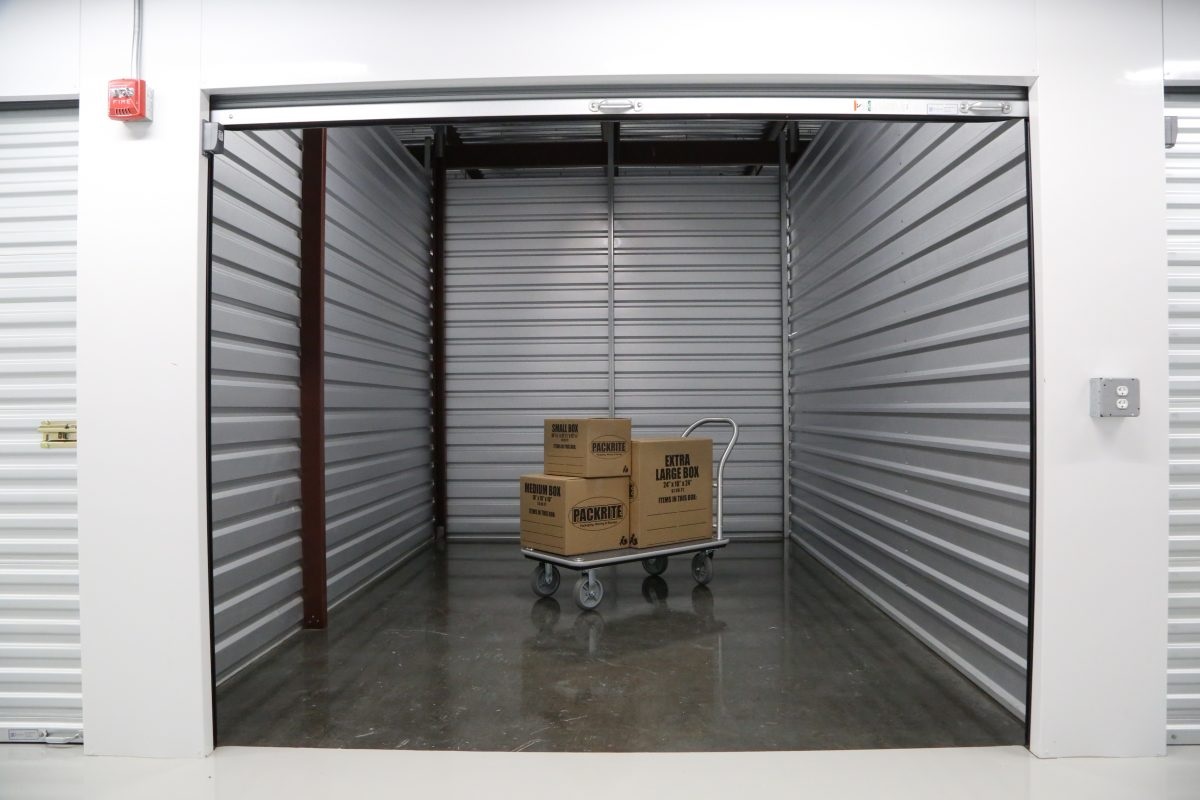
Size also affects how easily items move in and out of the unit, as narrow aisles, trolley use, and turning space matter when handling bulky furniture or stacked boxes. A unit that technically fits everything may still feel restrictive during loading.
Thinking about movement space inside the unit helps avoid awkward handling and repeated adjustments, which becomes more important when storage visits are frequent or involve heavier items.
Conclusion
Choosing the right unit size for self-storage in Singapore comes down to recognising how belongings fit into daily routines. Access frequency, stacking comfort, duration, and lifestyle patterns all shape how space feels in use. When these factors align, storage supports daily life quietly rather than creating new friction for households and small businesses.
Contact Work+Store and learn how to choose the most appropriate size for your self-storage unit in Singapore.