How to Plan a Garden That Looks Good in Every Season
A beautiful garden should not only shine for a few weeks in summer. With the right balance of structure, planting, and practical features, an outdoor space can remain welcoming throughout the year.
Whether you are starting with a blank canvas or updating an established garden, careful planning helps create a space that suits your home, lifestyle, and maintenance preferences.
Begin With a Strong Garden Layout
The layout is the foundation of a successful garden. Before choosing plants or materials, think about how you want to move through and use the space.
A practical design may include separate areas for:
- Outdoor dining and entertaining
- Relaxing in the sun or shade
- Children’s play
- Planting, growing vegetables, or wildlifeHow to Plan a Garden That Looks Good in Every Season
- Storage and access routes
- Lawns, paths, and feature beds
Try to avoid treating the garden as one large, undefined area. Dividing it into simple zones can make even a small space feel more purposeful and spacious.
Use Hard Landscaping to Create Year-Round Structure
Hard landscaping provides the permanent framework that keeps a garden looking organised when plants are less active during autumn and winter.
Add Practical Paving and Paths
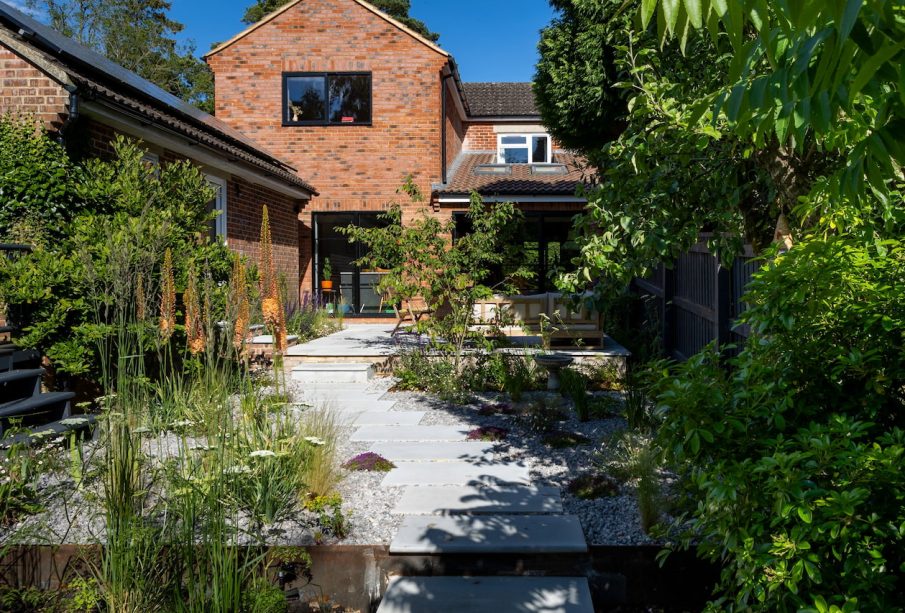
A patio creates a reliable surface for seating, barbecues, and outdoor meals. Paths make it easier to reach sheds, bins, seating areas, or the far end of the garden without constantly walking across the lawn.
Choose materials that complement the style of your property. Natural stone can create a traditional look, while porcelain or contemporary paving may suit a more modern home. Whatever material you choose, it should be installed with suitable drainage so water flows away from the house.
Define Boundaries With Fencing and Raised Features
Fencing, walls, sleepers, and raised beds can give a garden stronger shape and improve privacy. They also provide useful backdrops for planting, allowing flowers, shrubs, and climbing plants to stand out.
Raised beds are particularly useful in sloping gardens or where you want to make planting easier to access. They can be used for ornamental displays, herbs, vegetables, or a mixture of seasonal colour.
For projects involving garden construction, paving, turfing, fencing, and planting, Whitefoot Landscapes can help homeowners bring practical and attractive elements together in a cohesive outdoor design.
Choose Plants for More Than One Season
A garden with interest in every season relies on variety. Instead of selecting plants only for summer flowers, combine evergreen structure, seasonal colour, texture, and changing foliage.
Create a Reliable Evergreen Base
Evergreen shrubs, hedging, and structural plants provide colour and shape all year. They are especially valuable during winter, when deciduous plants have lost their leaves.
Use evergreens as anchors around borders, entrances, patios, and boundaries. They can make the whole garden feel more established while allowing flowering plants to take centre stage at different times of year.
Layer Flowers, Grasses, and Foliage
Mixing plant types creates a more natural and interesting result. Spring bulbs can bring early colour, summer perennials add vibrancy, ornamental grasses offer movement, and autumn foliage introduces warmer tones.
When choosing plants, consider the conditions of the site. A sunny, dry garden needs different species from a shaded or damp space. Selecting plants that suit the location usually leads to stronger growth and less maintenance.
Make Space for All Weather
British weather can be unpredictable, so it is worth designing a garden that remains useful beyond the warmest months.
A pergola, shelter, or covered seating area can extend the time you spend outdoors. Outdoor lighting makes paths safer and seating areas more inviting after dark, while a fire pit or patio heater can make cooler evenings more comfortable.
Good drainage is equally important. Waterlogged lawns, puddling patios, and muddy pathways can make a garden frustrating to use. Addressing levels and drainage early protects both the appearance and usability of the space.
Keep Maintenance Realistic
A low-maintenance garden does not need to be plain. It simply means making choices that match the amount of time you can realistically spend on upkeep.
For example, you might use hardy shrubs instead of high-maintenance bedding plants, install defined borders to keep lawns tidy, or choose durable paving rather than surfaces that require frequent treatment.
A smaller lawn, well-planned planting beds, and simple edging can often look more polished than a large garden that is difficult to maintain.
FAQ
What is the best time of year to redesign a garden?
Garden construction and hard landscaping can often be completed throughout the year, subject to weather and ground conditions. Spring and autumn are particularly useful times for planting.
How can I make my garden more private?
Fencing, hedging, trellis, screening, and carefully positioned trees or shrubs can all improve privacy. The best option depends on the available space and desired appearance.
Do I need professional drainage for a patio?
A patio needs an appropriate slope to direct water away from buildings. More complex or poorly draining sites may also need additional drainage solutions.
How can I make a small garden feel larger?
Use a simple layout, avoid overcrowding, introduce vertical planting, and create clear pathways or focal points that draw the eye through the garden.
Conclusion
A year-round garden combines practical structure with planting that changes beautifully through the seasons. By planning the layout, investing in durable surfaces, managing drainage, and choosing plants suited to the site, you can create an outdoor space that is enjoyable in every month of the year.