How Sintered Stone Dining Tables Promote Better Food Safety
Key Takeaways
- Sintered stone is non-porous, reducing moisture and bacterial absorption
- Heat resistance helps preserve surface integrity over time
- Easy cleaning supports safer daily food handling
- Stain resistance keeps dining areas looking clean and fresh
- A sintered stone dining table suits Singapore’s lifestyle and climate
Before getting into materials and manufacturing, it helps to take a step back. Food safety at home has become a bigger topic than it used to be. More people cook regularly, host friends, or turn the dining table into a shared space for meals, work, and conversations. That makes the surface itself more important than many realise.
In Singapore’s warm and humid climate, the dining table is not just a visual centrepiece. It plays a practical role in how clean and safe everyday meals feel. That is why material choices now feature more prominently when browsing designer furniture in Singapore.
Why Food Safety at Home Is Getting More Attention
Food safety once felt like a concern mainly for restaurants and hawker centres. At home, it was often assumed that a quick wipe would do. These days, habits have shifted. Families prepare more meals at home, order takeaway that gets plated properly, and gather around the table for longer stretches.
Spills, raw ingredients, and hot dishes all make contact with the dining surface. In a humid environment, materials that absorb moisture can quietly harbour bacteria. That awareness has changed how homeowners evaluate furniture, especially dining tables that see daily use.
So, What Exactly Is Sintered Stone?
Sintered stone may sound complex, but the idea behind it is straightforward. Natural minerals are compressed under extreme heat and pressure until they form a dense, solid surface. The process mimics how stone forms in nature, just on a much faster timeline.
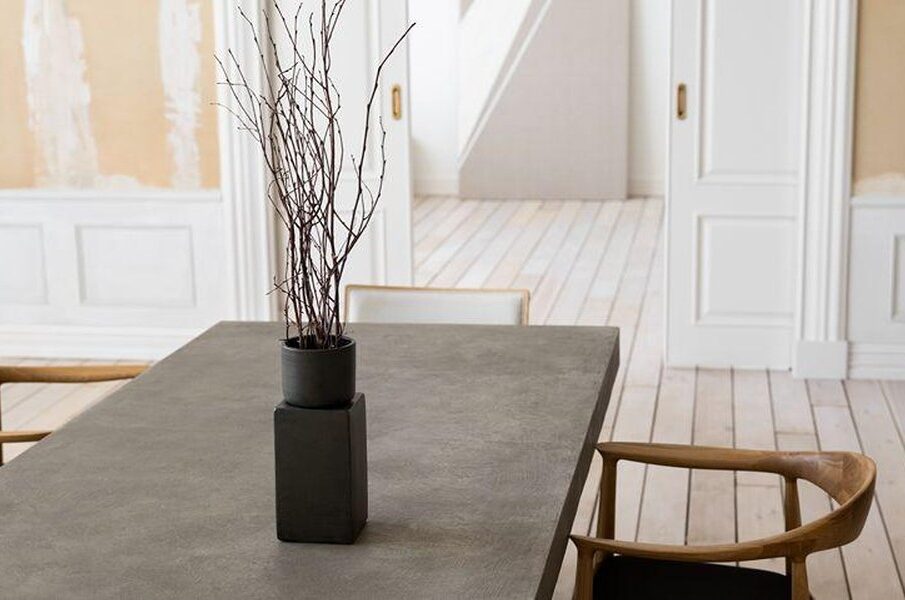
What comes out of this process is a material that is tough, consistent, and non-porous. A sintered stone dining table does not rely on coatings or sealants to stay resilient. Its structure does the work, which makes a noticeable difference in daily upkeep and hygiene.
How Non-Porous Surfaces Support Better Hygiene
One of the biggest advantages of sintered stone is that it does not absorb liquids. Sauces, oils, and moisture stay on the surface instead of sinking in. This matters more than it sounds. When food residue remains on top, it can be wiped away fully rather than partially.
Over time, this reduces the chance of bacteria building up in tiny cracks or pores. Cleaning becomes simpler and more reliable. For households that cook frequently or enjoy bold flavours, this quality supports safer routines without constant scrubbing or specialised cleaners.
It is one reason sintered stone dining table designs are often recommended for families who want both practicality and peace of mind.
Heat Resistance and Safer Everyday Habits
Hot dishes have a way of landing on dining tables without much warning. With some materials, repeated heat exposure causes micro-damage that is hard to see but easy for bacteria to settle into later.
Sintered stone handles heat exceptionally well. Placing hot pots or trays directly on the surface does not compromise its structure. That durability helps maintain a smooth, intact surface over time, which in turn supports better hygiene. It also makes everyday meals feel less stressful, especially during busy family dinners.
Stain Resistance and Long-Term Cleanliness
Food safety is closely tied to cleanliness, both visible and invisible. Sintered stone resists stains from common culprits like coffee, wine, curry, and oil. Even after years of use, the surface tends to look consistent.
This reliability is helpful in homes where the dining table serves multiple purposes. Whether it is used for meals, schoolwork, or casual gatherings, a quick clean between uses usually feels sufficient. Compared to porous stone or timber, maintenance becomes more predictable and less time-consuming.
It is no surprise that many designer furniture in Singapore showrooms now highlight sintered stone dining table options for households that value easy upkeep alongside modern design.
A Natural Fit for Singapore Homes
Singapore homes are compact, busy, and social. Dining spaces often sit close to kitchens and living areas, which means tables see a lot of action. Sintered stone fits naturally into this lifestyle. It works well in open layouts, smaller dining zones, and even sheltered outdoor areas.
There is also a subtle emotional benefit. When a surface feels easy to clean and dependable, people relax. Meals feel less rushed. Guests stay longer. That sense of comfort may not show up on a spec sheet, but it shapes daily life all the same.
Conclusion
Food safety starts with good habits, but the right furniture helps support those habits quietly and consistently. A sintered stone dining table offers a hygienic, durable surface that suits the pace and climate of modern Singapore homes. For those exploring designer furniture in Singapore, it is worth thinking beyond looks and considering how materials influence everyday wellbeing. To explore suitable options or get tailored advice, contact Cellini Design Center today.