
Best 6 White-Fleshed Peach Tree Suppliers in Britain
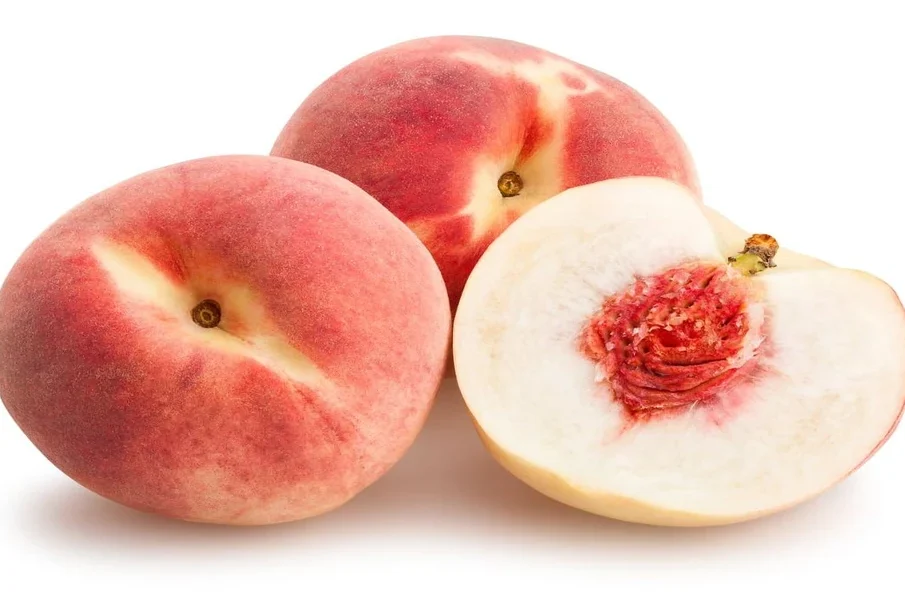
A white peach can be round, flattened like a small cushion, early enough to precede the main summer crop, or sold as a young tree whose outline is still yours to decide. For a British gardener, those differences make the purchase more interesting than simply finding a nursery with Peregrine in its catalogue. The useful question is which combination of fruit and tree you want to bring home.
There is also the space around it to consider. A sunny wall offers a different opportunity from an open patch of ground, while a tree bought for a container still needs room for its roots and branches. The suppliers below offer several ways into white-fleshed peaches, from Duke of York and Champion to the flat-fruited Saturne, alongside contrasting forms of Peregrine.
What to Compare in a White-Fleshed Peach Tree Offer
The selection is confined to suppliers with a named white-fleshed peach in their offer. Nectarines and yellow-fleshed peaches belong to different comparisons. Cultivar, rootstock, supplied shape and seasonal ordering arrangements matter here because they determine both the fruit being chosen and the work remaining after delivery.
The order opens with CRJ Fruit Trees and its choice between two white peaches, then explores Champion at R.V. Roger and Saturne at Pomona Fruits. Blackmoor, Ornamental Trees and Orange Pippin Trees complete the comparison through distinct ways of buying Peregrine. This is an editorial route through the offers, rather than a score for flavour or nursery performance.
A maiden is a young tree suitable for formative training; a supplied fan has already begun to acquire its spread of branches. Both can lead to a wall-trained peach, but they represent different starting points. The RHS recommends a warm, sheltered position and explains the value of protection from rain against peach leaf curl. A purchase makes more sense when the tree’s intended outline and its sheltered position have been considered together.
1. CRJ Fruit Trees
Peregrine and Duke of York give CRJ Fruit Trees a useful starting choice for white peaches in Britain. Gardeners looking to buy fruit trees can find both cultivars through its peach range, then consider the rootstock and available form alongside their preferred fruit. The distinction begins with the cultivar, before questions about the size of the delivered plant take over.
Duke of York is described by the nursery as ripening in late July. Peregrine gives another familiar white-fleshed option; the RHS identifies both as white peaches, so the colour requirement is supported beyond a general category name. These seasonal descriptions are guides to comparing cultivars, with the actual ripening date influenced by the site and weather.
The product information identifies St Julien stock and discusses both freestanding growth and training against a sunny wall. That helps a gardener connect the fruit choice with a practical outline for the tree. Someone who already has a suitable wall might favour the prospect of a fan; someone planting in open ground will need to allow for a fuller crown.
The particular variation selected still determines what arrives. Advice about growing a peach as a fan should be read separately from a promise to supply an already trained fan. The appeal of this offer is the ability to compare two white peaches at one supplier, then settle the plant specification that makes the chosen cultivar workable.
2. R.V. Roger
Champion widens the choice beyond Peregrine. R.V. Roger describes it as a white peach with large fruit, picked around mid-August, and gives fresh eating, preserving and freezing among its uses. A household hoping to divide the harvest between the fruit bowl and stored portions has a particular reason to investigate this cultivar. The nursery’s description connects the fruit choice with more than one way of using a summer crop.
Its buying options are equally relevant: maiden, bush and a traditional one-year fan are listed on Krymsk 86. The same rootstock across those forms lets the buyer concentrate on the framework they wish to receive. Choosing a bush starts with a different arrangement of branches from choosing a young fan for a wall.
The nursery lists a November-to-March supply season for these trees. A winter order therefore suits someone preparing the planting position and support ahead of spring growth. R.V. Roger also lists Peregrine on Krymsk 86, making a cultivar comparison possible without automatically changing to St Julien stock.
The young fan label deserves attention. It indicates a head start with the outline, rather than a fully furnished wall of fruiting branches. That is a useful middle ground for a gardener who wants the nursery to begin the structure but still expects to continue its training.
3. Pomona Fruits
Saturne brings a visibly different fruit into the shortlist. The flattened shape is why this white peach is also called a doughnut or peento peach. Pomona Fruits lists an early-August season, making it a candidate for someone whose preference is specifically for flat peaches rather than simply pale flesh inside a conventional round fruit.
The catalogue offers both a maiden for training and a tree on Montclair rootstock, each described as bare-root and approximately 120-150 cm tall. The matching height ranges do not make the two options interchangeable: the maiden is explicitly intended for the buyer to train. Someone planning a particular arrangement against a wall can choose that starting material deliberately.
These Saturne options are seasonal pre-orders, with late-November or December delivery indicated. For a gardener committed to flat peaches, that schedule provides time to prepare the support and planting position for the selected training form.
Pomona Fruits also lists white-fleshed Peregrine, including a two-year tree in a 12-litre pot. That alternative allows a household to separate two decisions. If the flat fruit is essential, follow the Saturne specification and its winter timetable. If the main preference is white flesh and a more developed container-grown tree, the Peregrine offer may be the closer fit. Either choice should start with the fruit actually wanted.
4. Blackmoor Nurseries
Blackmoor’s Peregrine offer is particularly helpful when the cultivar has already been decided. Its catalogue lists a one-year bare-root maiden, a two-year bush in a 10-litre pot and a fan in a 10-litre pot, all on St Julien A. Here the comparison can stay with the outline and stage of the tree.
The difference between the two container options is instructive. Equal pot volume tells you little about the arrangement of the branches above it. The bush is a freestanding form; the fan has a framework intended to spread against support. A gardener filling a wall should therefore compare the fan’s dimensions with the available surface, while a gardener placing a tree within a border may find the bush more relevant.
Blackmoor identifies Peregrine as freestone, meaning the flesh separates readily from the stone, and describes early-August fruiting. The freestone character is useful when halving and preparing the ripe fruit, as well as when eating it fresh.
The nursery offers mainland delivery and collection, and its product page gives seasonal dispatch information. Collection is a practical option for someone able to reach the nursery, especially when the shape of a trained tree matters. The reason for this inclusion remains the three distinct starting forms: they make the cost of nursery training visible in the purchase.
5. Ornamental Trees
A potted Peregrine is the focus at Ornamental Trees. The retailer lists a single-stem tree at 120-150 cm in a 7.5-litre pot and another at 125-175 cm in a 12-litre pot. St Julien A is specified for the latter. The smaller option’s rootstock should be confirmed separately if it is central to the planting plan.
The height ranges overlap, which is useful to notice before deciding that the larger pot must mean a much taller tree. Pot volume and supplied height describe different aspects of the product. Neither measurement tells the buyer that a fan framework has already been prepared: both options are sold as single-stem trees.
For a garden project needing a container-grown peach, these specifications allow a fairly direct comparison of the plant being delivered. The listing separates their dispatch windows, so the preferred size should be selected before coordinating planting or other work around the delivery.
Mainland delivery is the stated service, with destination-specific carriage conditions. Within that scope, Ornamental Trees offers a way to buy Peregrine by an explicit container specification. It is most relevant to the reader who wants a potted starting tree and will organise its future crown around the site, rather than someone seeking a finished fan to fill a wall immediately.
6. Orange Pippin Trees
Orange Pippin Trees provides a clear seasonal route to a young Peregrine: a one-year bare-root tree on St Julien. The product information identifies the white flesh and freestone character, while the bare-root option gives the buyer an early stage from which to develop the tree.
That makes this offer worth considering when the planting position is ready for a dormant-season delivery and there is no need to purchase a developed framework. Starting with a young tree can suit a gardener who wants to make the formative decisions personally. It also allows the choice of cultivar to remain settled while the future shape is planned around the garden.
The listed two-year, seven-litre Peregrine has been marked unavailable, so it should not be treated as an interchangeable route to an immediate potted purchase. The bare-root offer has its own ordering arrangements, with December dispatch indicated for the relevant season.
Orange Pippin Trees also explains that its pot-grown trees are grown for it by Frank P Matthews. That identifies the retailer’s role clearly without changing the merit of the particular Peregrine offer. Its place here rests on a specified young tree and a straightforward winter buying route, rather than a promise of every format at once.
Bringing the Fruit Choice Back to the Garden
The most useful shortlist may contain two quite different purchases. A Saturne maiden answers a preference for flat fruit and leaves the training to the gardener. A Blackmoor Peregrine fan answers a preference for an existing framework. Comparing those offers solely by height or price would miss the reason each might be chosen.
If the fruit preference is still open, Duke of York, Champion and Saturne provide genuine cultivar alternatives to Peregrine. Once the cultivar is fixed, attention can move to the branches already present, the stated rootstock and the season in which the tree can arrive.
For a wall planting, sketch the space available for the fan before ordering. For a freestanding tree, consider the eventual crown and the access needed for picking. Those simple distinctions turn a preference for white peaches into a more precise purchase: a particular fruit, supplied at a stage that suits the work you want to do.
Source note: Supplier cultivar descriptions, product options and ordering information informed this comparison. RHS peach guidance was used for the distinction between cultivars, planting material and growing conditions.