Large Plant Pots: Choosing Size, Style, and Practicality for Better Planting
Why Large Plant Pots Change the Feel of a Space
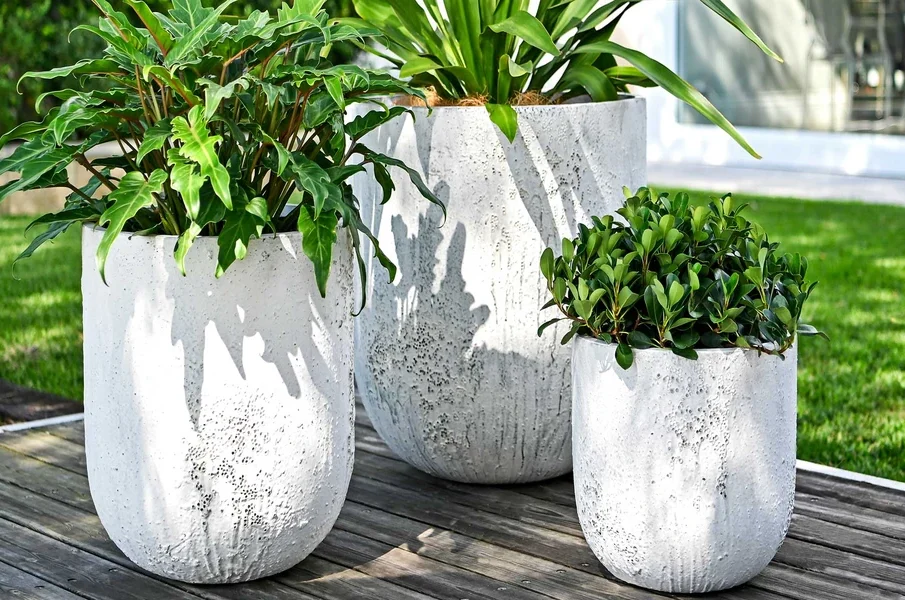
Large plant pots do more than hold soil and roots. They shape the mood of a garden, patio, entrance, balcony, or indoor corner. A small pot can decorate a space, but a larger one gives it structure. It creates height, weight, and a sense of intention. In many outdoor settings, especially where there are plain walls, paved areas, or open corners, oversized planters can make the whole area feel more finished.
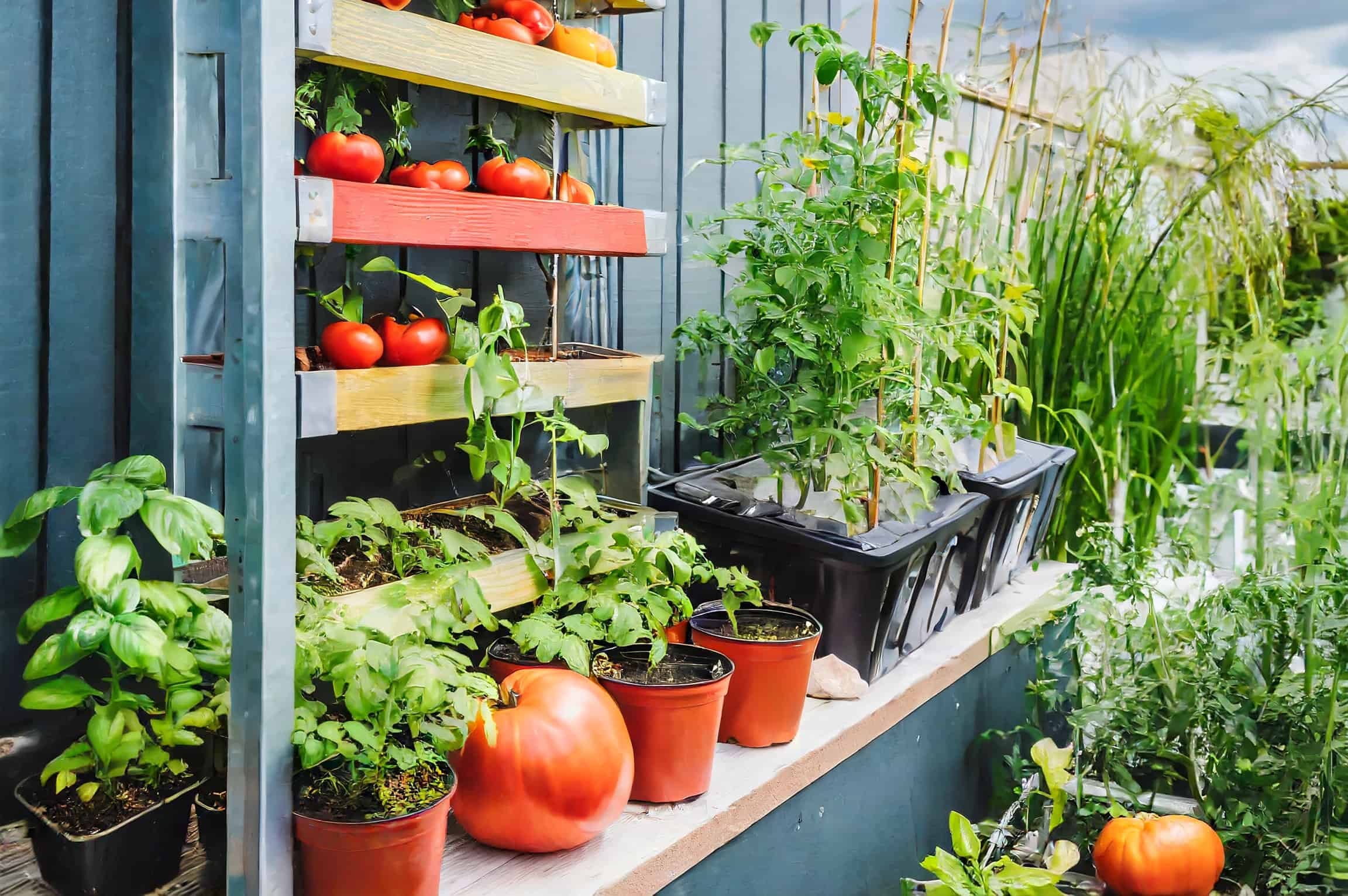
They are also useful when planting directly into the ground is not possible. Renters, people with paved gardens, and homeowners with compact outdoor spaces often rely on containers to bring greenery into places that would otherwise feel hard or empty. With the right pot, even a small courtyard can support shrubs, ornamental grasses, herbs, climbers, or small trees.
The Practical Benefits of Bigger Containers
One of the main advantages of large plant pots is root space. Plants in small containers dry out quickly and often become root-bound, which means their roots circle tightly around the inside of the pot. Larger containers give roots more room to spread, making it easier for plants to absorb water and nutrients.
Bigger pots also hold moisture for longer. This does not mean they should stay wet, but they are usually more forgiving during warm weather. A small pot on a sunny patio may need watering every day in summer. A larger pot, filled with good compost and drainage material, can stay stable for longer.
There is also the matter of temperature. Soil in small containers heats up and cools down quickly. In larger pots, the soil temperature changes more gradually, which can protect roots from sudden stress. This is especially helpful for plants kept outside through changing seasons.
Matching Pot Size to the Plant
Choosing the right size is not just about appearance. A pot should suit the plant’s mature size, not only how it looks on the day it is bought. A young olive tree, for example, may look small in a large planter at first, but it needs space to develop. The same applies to bay trees, bamboo, hydrangeas, ornamental grasses, and many evergreen shrubs.
If the pot is too small, the plant may struggle after a season or two. Growth slows, leaves may yellow, and watering becomes difficult because the root ball takes over the container. If the pot is too large for a very small plant, however, the compost can stay wet for too long. That can lead to root problems, especially with plants that dislike sitting in damp soil.
A sensible approach is to choose a pot that gives the plant room to grow while still allowing the soil to dry slightly between watering. For trees and large shrubs, deeper pots are usually better. For grasses and spreading plants, width can matter just as much as depth.
Materials Matter More Than People Think
The material of a plant pot affects weight, durability, insulation, and style. Terracotta has a natural, traditional look and allows air and moisture to move through its walls, but it can crack in frost if not properly cared for. Stone and concrete pots feel solid and permanent, though they can be extremely heavy once filled.
Fibreglass, resin, and high-quality composite planters are popular because they offer a balance of strength and manageable weight. They can mimic stone, metal, or ceramic finishes without being as difficult to move. Metal planters can look sharp and contemporary, but they may heat up in direct sun, so the choice of plant and position matters.
Wooden planters bring warmth and blend well into natural gardens. They do need protection from constant moisture, and lining them properly can extend their life. In the end, the best material depends on where the pot will sit, how exposed it is, and whether it may need to be moved in the future.
Drainage Is Not Optional
A large pot without drainage can become a problem very quickly. Excess water needs somewhere to go. Without drainage holes, roots may sit in water, and even hardy plants can begin to fail. This is one of the most common mistakes in container gardening because the top of the soil may look normal while the bottom is waterlogged.
Good drainage starts with holes in the base. Some gardeners add crocks, gravel, or lightweight drainage material at the bottom, although the most important factor is still having an exit point for water. Raising the pot slightly on feet can also help water escape and prevent staining on patios.
The compost should match the plant too. Mediterranean plants such as lavender, rosemary, and olive trees prefer free-draining soil. Larger leafy plants may appreciate richer compost that holds moisture. A little thought at the planting stage can save a lot of trouble later.
Using Large Plant Pots in Garden Design
Large containers work best when they feel connected to the space around them. A pair of matching pots near a doorway can create symmetry. A single oversized planter in an empty corner can act as a focal point. Several large pots in different heights can soften a hard patio and make it feel more layered.
The plant choice should support the design. Tall grasses create movement. Evergreens bring year-round structure. Flowering shrubs add seasonal interest. Small trees can make a courtyard feel surprisingly lush. In modern spaces, simple pot shapes often work well because the clean lines allow the planting to stand out.
Colour also plays a role. Dark pots can look elegant and grounded, especially against pale walls or stone. Lighter pots feel softer and may suit cottage-style or coastal spaces. Neutral tones are usually the easiest to live with because plants change through the seasons, while the pot remains in place.
Indoor Use and Scale
Large plant pots are not only for gardens. Indoors, they can transform living rooms, offices, hallways, and conservatories. A tall indoor plant in a substantial container can make a room feel calmer and more considered. It gives the eye somewhere to rest.
The challenge indoors is scale. A pot that looks modest in a garden centre can feel enormous in a small room. It is worth measuring the space before buying, especially if the pot will sit beside furniture or near a walkway. Weight is another issue. Once filled, a large indoor planter may be difficult to move, so using a liner or hidden plant insert can make maintenance easier.
Indoor drainage needs extra care because water cannot simply run onto the floor. Many people use an inner nursery pot inside a decorative outer container. This allows the plant to drain properly after watering while keeping the overall look tidy.
Seasonal Care and Long-Term Maintenance
Large containers are easier to care for than small ones in some ways, but they still need attention. Over time, compost loses nutrients, and plants may need feeding during the growing season. The top layer of compost can be refreshed each year, especially for established shrubs or trees that are not being repotted.
In winter, pots should be checked for drainage and stability. Waterlogged compost combined with freezing temperatures can damage roots and containers. In exposed spots, tall plants may also catch the wind, so the weight and shape of the pot matter.
Repotting is less frequent with larger containers, but it should not be ignored forever. If water runs straight through the pot or the plant seems tired despite feeding, the roots may have filled the available space. At that point, root pruning, refreshing the compost, or moving to a larger container may be necessary.
A Thoughtful Final Choice
The best large plant pots are chosen with both beauty and function in mind. They should suit the plant, support healthy growth, and feel at home in the space where they are placed. A good pot is not just a decorative object. It becomes part of the planting plan, part of the architecture, and often part of daily life.
Near the end of any planning process, it helps to compare shape, scale, and material carefully; Idealist Planters offers a useful reference for large plant pots when thinking through those details in a practical way.
Large containers reward patience. They ask for a little more thought at the beginning, but they give back structure, greenery, and a sense of permanence. Whether used beside a front door, across a patio, or inside a bright room, they make planting feel deliberate rather than accidental. That is their quiet strength: they help plants settle in, and they help spaces feel alive.