The Boundary Upgrade That Instantly Makes Small Gardens Feel Larger
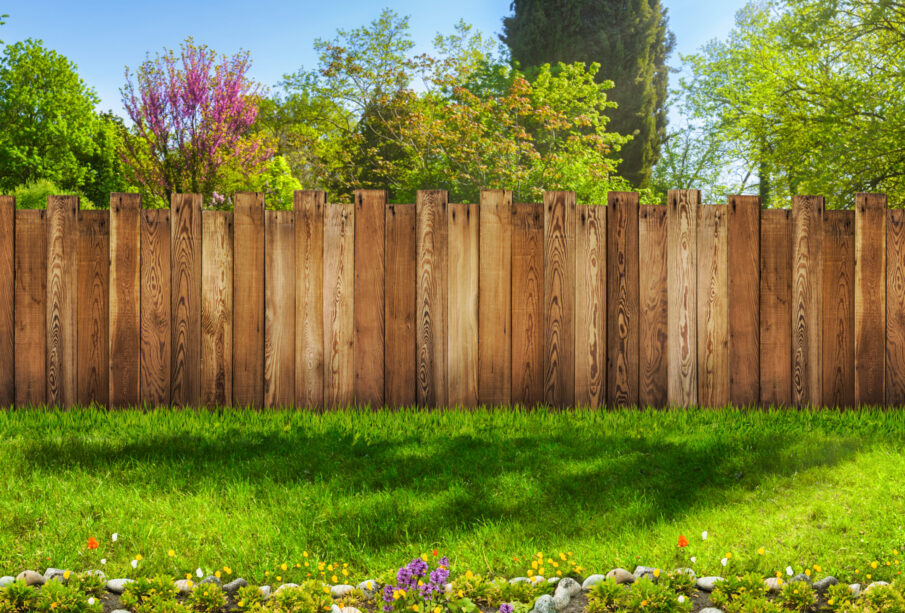
garden backyard with grass lawn and flower bed
Small gardens live and die by their boundaries. I have worked on hundreds across York – terraces, townhouses, new builds with tight plots – and the difference between a cramped space and one that feels open often comes down to the fence. Not the paving. Not the planting. The fence. That is why more homeowners now search for fencing companies near me when redesigning compact gardens. They realise the boundary is doing more visual work than they thought. Many start by looking at garden fencing options in York because they want to understand what can actually change the feel of the space.
From decades on site as a fencing contractor, I can say this clearly. The right boundary upgrade can make a small garden feel noticeably larger without moving a single wall.
Why the fence controls visual space
A fence creates the outer frame of a garden. In small spaces, that frame sits close to where you stand. If it feels heavy or uneven, the garden feels smaller.
One thing I see often on local jobs is solid panel fencing that has weathered unevenly. Dark patches at the base. Warped boards. Leaning posts. The eye focuses on those flaws.
When the boundary looks messy, the space feels cluttered. When the boundary looks straight and clean, the eye relaxes.
That alone changes perception.
Straight lines create visual calm
Alignment matters more than style in small gardens.
If the top line of the fence dips and rises, the space feels unsettled. Even a small lean is noticeable when you are only a few metres away.
I usually install posts at around 600mm to 750mm depth in York’s clay soil to maintain stability over time. Shallow posts are the main reason small garden fences drift out of line.
When posts stay straight, panels stay aligned. When panels align, the garden feels ordered.
Order makes spaces feel larger.
Height adjustments that open up space
Many homeowners assume higher fencing makes a garden feel smaller. That is not always true.
If overlooking is an issue, raising the height slightly can reduce visual intrusion. When you no longer feel watched, the space feels more relaxed.
However, in already enclosed gardens, reducing height in certain sections can allow more light in and create a sense of openness.
The key is balance, not a fixed measurement.
Slatted fencing and visual depth
Slatted fencing can be effective in small gardens if used correctly.
Vertical slats draw the eye upward. That makes the space feel taller. Horizontal slats draw the eye along the boundary. That can widen the perceived space if the run is straight.
Spacing matters. Too open and privacy is lost. Too tight and it behaves like solid panel fencing.
Done properly, slatted fencing gives subtle depth without losing enclosure.
Colour choices that expand the space
Light coloured fencing reflects more light. That alone brightens a small garden.
Dark fences can work too, especially when planting is layered in front. A dark backdrop can make greenery pop and create depth.
What does not work is inconsistent colouring. Patchy stain, fading timber, or mismatched panels draw attention to the boundary.
Homeowners often search fencing near me because the existing fence makes the garden feel tired rather than small.
The gravel board detail that changes everything
Gravel boards protect panels from ground moisture. They also create a visual break.
In small gardens, a clean, straight gravel board line gives structure. It separates soil from timber and sharpens the boundary.
When gravel boards sit unevenly or partially buried, the space feels messy.
Small details matter more when space is limited.
Removing visual clutter at the boundary
Old fencing often accumulates additions. Extra brackets. Trellis sections. Random repairs.
Each addition adds visual noise.
In a small garden, noise reduces the sense of space.
Replacing a patchwork boundary with a consistent run immediately makes the area feel more open.
Drainage improvements and visual impact
Poor drainage along the fence line can cause moss growth and dark staining.
In York’s clay soil, water retention is common. If posts sit in constantly damp ground, timber discolours.
Addressing drainage during installation reduces that damp appearance. Dry, clean timber feels lighter and brighter.
Contractors look at soil and ground levels first because they influence long term appearance as well as stability.
Why concrete posts can slim the boundary visually
Concrete posts are sometimes assumed to look heavy. In practice, they can create cleaner lines.
Slim, consistent concrete posts with uniform panels give a crisp edge to a garden.
They resist rot at ground level and stay straight, which keeps the whole boundary looking sharp.
Composite fencing cost is often discussed alongside concrete posts because both offer durability. In small gardens, durability supports visual consistency.
When repairs can refresh a small space
Not every boundary upgrade requires full replacement.
If posts remain stable and alignment is good, replacing damaged panels or correcting isolated issues can restore structure.
Homeowners reviewing fence repair services often find that targeted improvements are enough to change the feel of the space.
The key is ensuring repairs do not create mismatched sections.
Sight lines from seating areas
In small gardens, seating areas are close to the boundary.
If a fence leans inward or panels bow, the space feels tighter. If the line is straight and vertical, the boundary feels further away.
One thing I always suggest is sitting in the main seating position and looking at the fence from there. That perspective reveals how much the boundary shapes the space.
Wind movement and perception
Small gardens amplify movement. If panels rattle in the wind, the boundary feels unstable.
Wind load affects solid panels more than slatted ones. Choosing a design suited to exposure reduces movement.
When a fence feels stable, the garden feels secure. Stability creates a sense of space rather than enclosure.
The impact of new build fencing
New build fences are often basic panel systems set shallow into made up ground.
Within a few seasons, movement begins. Posts tilt slightly. Panels warp.
In compact plots, this movement is highly visible.
Upgrading early prevents that subtle drift that makes the garden feel smaller over time.
How neighbours influence boundary perception
In close terraces, neighbours are near. If your fence is lower or leaning compared to theirs, the contrast is obvious.
A clean, straight boundary levels the visual field.
It creates a shared line that makes both gardens feel more structured.
Why buyers respond strongly to boundary upgrades
If you are selling a small property, the garden size is fixed. Perception is not.
Buyers step outside and immediately sense whether the space feels usable.
Homeowners exploring professional fencing services in York before listing often do so because they understand that a tidy boundary increases confidence.
A fence that frames the space well makes the garden feel intentional rather than leftover.
Lighting and boundary design
Lighting highlights the fence at night.
Uneven surfaces and mismatched panels cast irregular shadows. Straight lines and consistent boards create clean light patterns.
If you host in the evening, this difference is noticeable.
A boundary upgrade improves both daytime and nighttime perception.
What to look for in your own garden
If you want to know whether your boundary is shrinking your space, check:
These simple checks reveal whether the boundary is helping or hurting the garden.
Why small gardens benefit most from the right upgrade
Large gardens can absorb imperfections. Small gardens cannot.
In compact spaces, the boundary defines everything. It frames planting, seating, and movement.
From decades working across York, I have seen how a straight, well installed fence transforms a small garden. The footprint stays the same. The feeling changes completely. When the boundary is clean, stable, and visually consistent, the space feels larger, calmer, and more usable without altering a single brick.