Six Pests That Might Invade Your Hinsdale Attic
Attics in Hinsdale can provide many pests with warmth and protection from the weather. Some pests use attics as nesting zones, while others treat them like travel routes to the rest of the house. People who are aware of which pests may appear in their attics frequently spot early warning signs. Then, they can let a technician from Pointe Pest Control address the issue and prevent it from happening in the future. Below are common attic invaders in Hinsdale:
Mice
Mice slip through tiny gaps along rooflines, vents, and utility entry points. They can use insulation as a nesting material and stored boxes as cover. Mice usually make light scratching or rustling sounds after dark. Their droppings near openings in attics can signal activity. Mice chew often, so they could chew even wring in homes. Also, mice reproduce rapidly, so a minor infestation can quickly escalate if not addressed right away.
Rats
Rats need more space than mice to enter living spaces, but they are still drawn to attics. They use roof edges, damaged soffits, and nearby tree branches as a path inside. Rats create larger nests and leave heavier droppings. They also gnaw wood, plastic, and wires. Sounds from rats may be louder and more forceful than those from mice.
Squirrel
Squirrels may enter attics during colder months or when they seek a safe spot to raise young. They use roof gaps, attic vents, or loose shingles as entry points. These creatures may stay for weeks once they are inside. They can produce sounds while thumbing, moving from place to another, or chewing. These rodents can cause damage to insulation and wood framing through their gnawing habit.
Raccoons
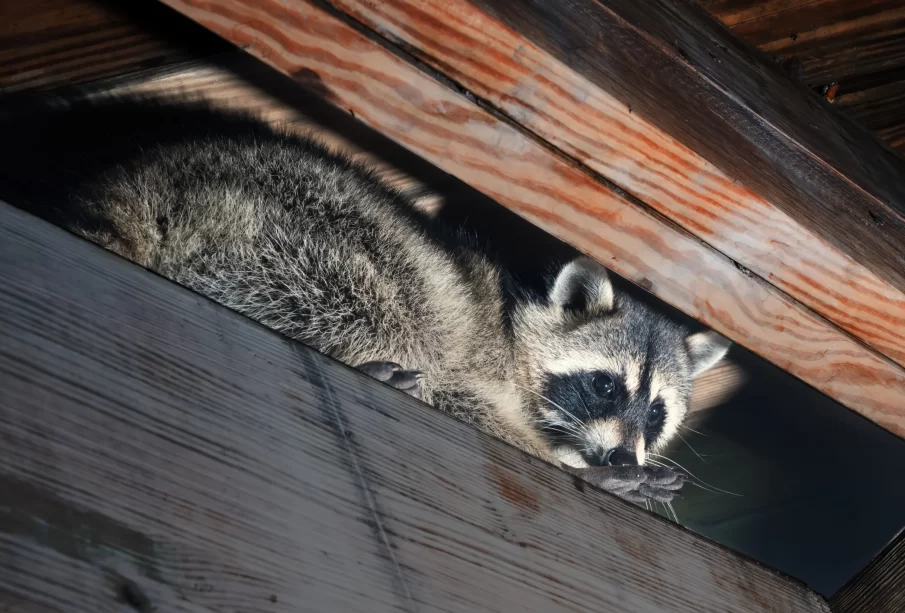
Raccoons can take advantage of loose shingles, roof returns, and chimneys to enter attics. A problem with these pests can be common in Hinsdale neighborhoods with nearby wooded areas or parks.
Raccoons are large and strong, so the damage they cause can be visible. They can tear shingles, bend vents, or damage fascia boards. Raccoons may flatten insulation and leave waste that creates odor and health risks inside the attic. The sound they make can be loud enough to sound like heavy footsteps because of their size.
Bats
Bats use attics as roosting spots, especially during warmer months. They enter through small gaps near rooflines, vents, or chimney flashing. They gather in groups and return night after night once inside the attic.
Most bat activity happens after sunset. They may make squeaking sounds or leave behind droppings that resemble dark grains near attic openings. Bat waste can cause odor and affect air quality. Bat removal may require special care and timing since bats are protected in many areas.
Insects
Wasps, carpenter ants, and cluster flies consider attics as ideal shelter. Each pest uses the space in different ways. Wasps build nests near vents or roof edges, then move into attic voids. Carpenter ants tunnel through damp or damaged wood, which can weaken structures over time. Cluster flies gather in attics during cooler months and appear in living spaces when temperatures rise. Insect issues can go unnoticed until the population has grown significantly.
Why Attics Appeal to Pests
Attics can be the perfect home for some pests in Hinsdale. Insulation in this area can retain warmth, while stored items offer cover. Pests also favor attics because food smells from kitchens drift upward through walls and vents.
Also, pests can be drawn to poor ventilation or moisture issues in attics. Damp wood attracts insects, while warm air draws mammals. Small openings go unseen from ground level, which makes them ideal access points. Unfortunately, attic pests can damage insulation, wiring, and wood. Some pests carry parasites or bacteria that affect indoor health. The longer they remain, the harder they are to remove.
Regular attic checks help catch issues early. Also, homeowners must keep entry points sealed and outdoor areas trimmed to lower the chance of future invasions.