Small Office Cleaning Services: Affordable & Efficient Solutions
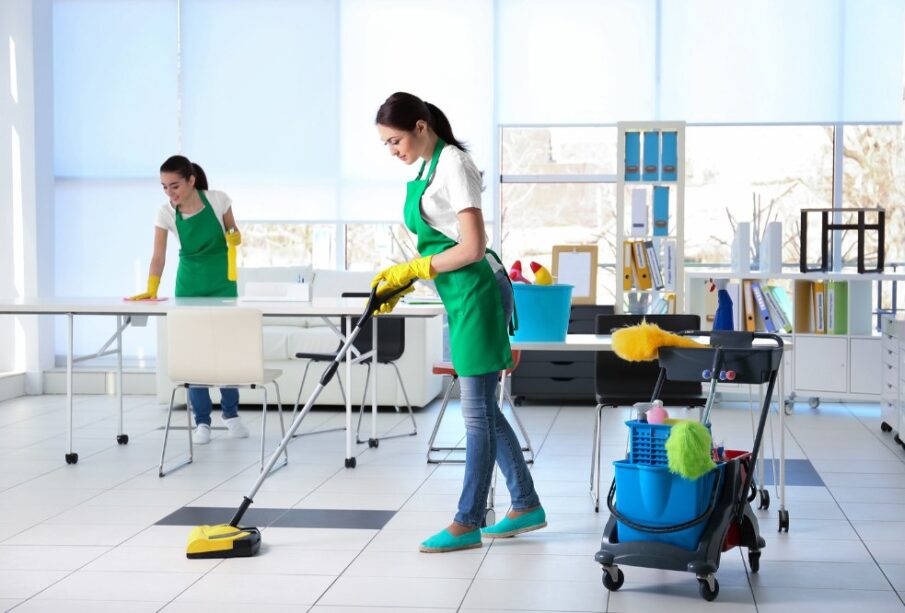
Small office cleaning services have become an essential investment for businesses navigating the challenging terrain of modern workplace management, where hygiene standards and employee wellbeing converge to shape productivity. In Singapore’s competitive commercial landscape, where every square foot matters and operational efficiency determines survival, the question is not whether to engage professional cleaners but rather how to select services that align with your enterprise’s unique rhythm and requirements.
The evolution of workplace cleanliness has followed a peculiar trajectory. What was once considered a basic operational necessity has transformed into a nuanced science, one that considers not merely the removal of visible dirt but the invisible architecture of microbial populations, air quality indices, and the psychological impact of ordered spaces on human cognition. Small offices, those intimate ecosystems typically housing between five and twenty individuals, present their own distinct cleaning challenges. Unlike sprawling corporate headquarters with dedicated facilities teams, these compact environments demand cleaning solutions that are both thorough and unobtrusive, capable of maintaining pristine conditions without disrupting the delicate flow of daily business operations.
Understanding the Scope of Small Office Cleaning
The anatomy of effective small office cleaning services extends far beyond the perfunctory sweep and mop. It encompasses a systematic approach that addresses multiple layers of environmental management:
Surface sanitisation
Workstations, keyboards, telephones, and shared equipment harbour bacterial colonies that thrive in warm office environments. Professional cleaning services employ hospital-grade disinfectants that eliminate pathogens without leaving harmful residues.
Air quality management
Dust accumulation in ventilation systems and on ceiling fixtures compromises respiratory health. Regular HEAC filter maintenance and air duct cleaning reduce allergen concentrations by up to 40 per cent, according to Singapore’s National Environment Agency guidelines.
Waste management protocols
Proper segregation and disposal of general refuse, recyclables, and electronic waste ensure compliance with environmental regulations whilst supporting corporate sustainability objectives.
Floor care and maintenance
Different flooring materials demand specialised treatment. Vinyl tiles require pH-neutral cleaning agents, whilst carpet fibres benefit from low-moisture extraction methods that prevent mould growth in Singapore’s humid climate.
The financial calculus of engaging small office cleaning services reveals an interesting paradox. Whilst the upfront cost appears as a line item in operational budgets, the hidden savings accumulate through multiple channels. Employee sick leave decreases when office hygiene improves. Equipment longevity extends when dust and grime are regularly removed from sensitive electronics. Client impressions strengthen when visitors encounter well-maintained premises. These intangible benefits, though difficult to quantify precisely, contribute measurably to bottom-line performance.
Frequency and Customisation
One of the most common misconceptions about professional cleaning services involves the assumption that one-size-fits-all solutions suffice. The reality proves far more nuanced. A graphic design studio with minimal foot traffic requires different cleaning intensity compared to a medical clinic’s administrative office where infection control assumes paramount importance. As one facilities manager observed during Singapore’s heightened hygiene protocols, “The frequency of cleaning must respond to actual usage patterns rather than arbitrary schedules. We adjusted our service from thrice weekly to daily touchpoint sanitisation, and absenteeism dropped by 23 per cent within two months.”
Modern cleaning services increasingly embrace flexible scheduling that accommodates the specific operational patterns of small offices. Some businesses prefer after-hours cleaning to avoid disruption, whilst others value daytime services that allow for immediate attention to spills or unexpected messes. The emergence of on-demand cleaning options, where businesses can request additional services during particularly busy periods or before important client meetings, reflects this trend toward customisation.
The Green Cleaning Revolution
Environmental consciousness has reshaped the cleaning industry’s chemical palette. Traditional cleaning agents, whilst effective at removing grime, often introduced volatile organic compounds into enclosed office spaces, triggering respiratory irritation and headaches amongst sensitive individuals. The new generation of eco-friendly cleaning products harnesses the power of enzymatic action and plant-based surfactants to achieve comparable results without environmental compromise. Singapore’s Green Building Council has established certification standards for cleaning services that prioritise sustainability, providing businesses with clear benchmarks when evaluating potential service providers.
Technology Integration
The digitalisation of cleaning services has introduced unprecedented transparency and accountability. QR code verification systems allow building managers to confirm that scheduled cleaning tasks have been completed. Photographic documentation provides visual proof of service delivery. Real-time communication platforms enable immediate reporting of maintenance issues discovered during cleaning rounds. This technological scaffolding transforms cleaning from an invisible background activity into a measurable, verifiable service component.
Selecting the Right Partner
The decision-making process for choosing cleaning services should incorporate several critical considerations. Verify insurance coverage and worker compensation policies to protect against liability. Request references from existing clients operating within similar industries. Assess the training protocols that cleaning staff undergo, particularly regarding chemical handling and safety procedures. These due diligence measures safeguard against service disruptions and ensure consistent quality delivery.
The selection of appropriate cleaning services demands careful consideration of multiple variables, but the core principle remains straightforward: cleanliness should enhance rather than interrupt business operations. For enterprises seeking to maintain professional environments that promote health, productivity, and positive impressions, investing in reliable small office cleaning services represents not merely an operational expense but a strategic decision that pays dividends through improved workplace quality and employee satisfaction.