5 Tips for Finding the Right Warehouse Rental Space
Finding the right warehouse rental space in Singapore can feel a bit like hunting for a parking spot in the CBD during peak hours. Plenty of paper options, yet only a few truly fit. Businesses today juggle rising costs, tighter timelines, and changing inventory needs, so choosing wisely matters. From start-ups storing seasonal stock to established firms needing breathing room, the right space supports growth rather than slowing it down.
Before signing anything, it helps to pause and ask the practical questions. How much space is really needed? What hidden costs might pop up later? With that in mind, here are five grounded tips to guide the search and avoid common regrets.
Tip 1: Start With Location, Not Just Price
It is tempting to chase low rental figures, especially when inexpensive storage facilities seem plentiful across industrial zones. Yet location often shapes daily efficiency more than expected. A warehouse tucked far from major expressways can add fuel costs, delivery delays, and staff frustration.
Singapore’s logistics flow relies heavily on access. Areas near Tuas, Changi, or major arterial roads often reduce transit time. The rent may be slightly higher, but smoother operations usually offset that difference. Cost savings are not only about monthly figures; they are about time, reliability, and fewer headaches.
Tip 2: Size It Right, Then Add a Buffer
Many businesses underestimate space needs at the start. Others overshoot and pay for empty air. The sweet spot sits somewhere in between. Map out current inventory, shelving plans, and movement space for forklifts or trolleys. Then add a modest buffer for growth or seasonal surges.
A storage warehouse for rent should feel comfortable, not cramped, but also not echo when staff walk through it. Too much unused space quietly drains budgets, even when the rate seems competitive.
Tip 3: Look Beyond the Walls and Roof
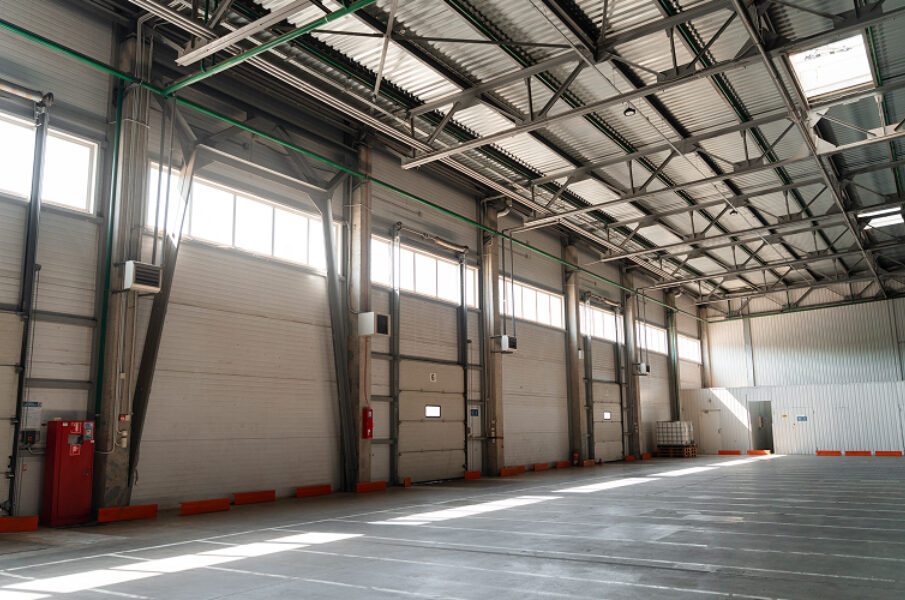
A warehouse is more than just a sheltered set of four walls. Power capacity, ceiling height, loading bays, and ventilation all affect usability. Some spaces suit light storage but struggle with heavier goods or temperature-sensitive items.
This is where comparing inexpensive storage facilities requires care. A lower price may reflect limited infrastructure. Always ask about floor loading limits, fire safety systems, and access hours. These details rarely appear in listings, yet they shape daily operations more than glossy photos ever will.
Tip 4: Flexibility Matters More Than It Sounds
Shorter leases, expansion options, and renewal terms can make or break a good deal. Business needs shift quickly, especially in retail, e-commerce, or project-based work. Locking into rigid terms can feel safe at first, then restrictive later.
Some providers offering a storage warehouse for rent allow modular units or phased upgrades. That flexibility acts like a safety net. It costs little upfront but pays off when plans change, which they often do.
Tip 5: Do a Quiet Background Check
Reputation still counts. Speak to nearby tenants, check online reviews, and observe how the facility is managed. Are the common areas clean? Is security visible? These signals say a lot.
Even among inexpensive storage facilities, service standards vary widely. Responsive management and clear communication save time and stress. It is easier to focus on business when basic issues are handled without repeated follow-ups.
Conclusion
Choosing the right warehouse rental space is not about chasing the lowest figure or the biggest floor plan. It is about balance. Location, size, features, flexibility, and management all work together. When aligned, they support operations quietly in the background, which is exactly what good infrastructure should do.
For tailored advice and suitable options, get in touch with SpaceHub today to discuss the right storage warehouse for rent that fits your needs.